May 11, 2026
Understanding why your roof may leak even in dry weather is crucial for maintaining your home. Unexpected leaks can signal deeper structural issues, compromised materials, or inadequate maintenance. Homeowners often assume that leaks only occur during storms, but in reality, many problems originate from hidden causes. Addressing these early is essential to prevent extensive water damage, mold growth, and costly repairs. By identifying the underlying factors behind leaks, you can protect both your investment and the comfort of your home. This article explores common reasons for dry-weather leaks and provides actionable solutions.
Condensation Issues
Condensation occurs when warm, humid air comes into contact with cooler roof surfaces, causing water droplets to form. This is particularly common in attics with poor insulation or ventilation. Unlike traditional leaks caused by holes or broken shingles, condensation often goes unnoticed until damage appears in insulation, ceilings, or rafters. Over time, condensation can lead to wood rot, mold, and even compromised structural integrity. Recognizing condensation as a source of roof leaks is a key step in protecting your home. Local roofing experts emphasize that addressing this problem promptly can prevent long-term damage.
Poor ventilation is often a primary cause of condensation-related leaks. Attics without proper airflow trap moisture-laden air, creating a persistent problem. Ridge vents, soffit vents, and gable vents are common solutions to ensure that air circulates efficiently. A well-ventilated attic helps maintain a balance between indoor and outdoor temperatures, reducing the likelihood of moisture buildup. Homeowners may overlook ventilation, but it is one of the most critical elements in preventing condensation-induced roof leaks.
Insulation also plays a major role. Inadequate insulation allows warm air from living spaces to rise and meet colder roofing surfaces, promoting condensation. High-quality insulation acts as a thermal barrier, minimizing temperature differentials that lead to water formation. Ensuring consistent insulation across the attic floor and around roof penetrations can dramatically reduce condensation risks. Local roofing professionals often inspect insulation during routine maintenance to prevent hidden leaks caused by this common issue.
Seasonal temperature fluctuations exacerbate condensation. During winter, for example, heated indoor air rises into a cold attic, while in summer, humid air can condense on cooler roof surfaces during early morning hours. Homeowners should monitor indoor humidity levels and consider using dehumidifiers or ventilation fans to manage moisture. By understanding and controlling these factors, condensation-related leaks can be minimized, safeguarding both the roof and the home’s interior.
Plumbing Leaks
Plumbing components like vent pipes or roof drains create vulnerable points in roofing systems. Over time, seals around these penetrations can deteriorate, allowing water to infiltrate the home even in dry weather when dew or condensation accumulates. Identifying these potential weak spots and ensuring proper installation and maintenance is crucial for preventing leaks. Routine inspections by local roofing professionals can detect early signs of plumbing-related water intrusion.
Pipe boots, which surround plumbing vent pipes, are particularly prone to failure due to UV exposure, temperature fluctuations, and age. Cracked or hardened boots can compromise the roof’s water-tightness. Regularly inspecting these components and replacing damaged boots ensures that small leaks do not escalate into larger, more expensive repairs. Local roofing services often provide specialized inspection packages to maintain these essential seals.
Roof-mounted HVAC units are another potential source of leaks. Improperly sealed units or worn flashing can allow water to seep under the roofing material. Maintenance should include checking the integrity of seals and flashing around HVAC installations. Local roofing experts recommend addressing any wear immediately, as even minor water intrusion can degrade insulation and structural elements over time.
Hidden plumbing leaks within the attic space pose one of the most insidious threats. Slow leaks from pipes can saturate insulation and wooden rafters without visible signs until damage is extensive. Regular inspections and monitoring for water stains, mold, or musty odors can help detect these problems early. Combining preventative maintenance with professional local roofing assessments can mitigate risks and reduce potential repair costs.
Repair strategies for plumbing leaks involve a combination of replacement, resealing, and professional inspection. Promptly addressing pipe boot failures, roof penetrations, and HVAC seal issues prevents minor leaks from escalating. Local roofing professionals can identify vulnerable areas and provide durable, long-term solutions to protect the home’s interior and structure.
Roof Material Contraction and Expansion
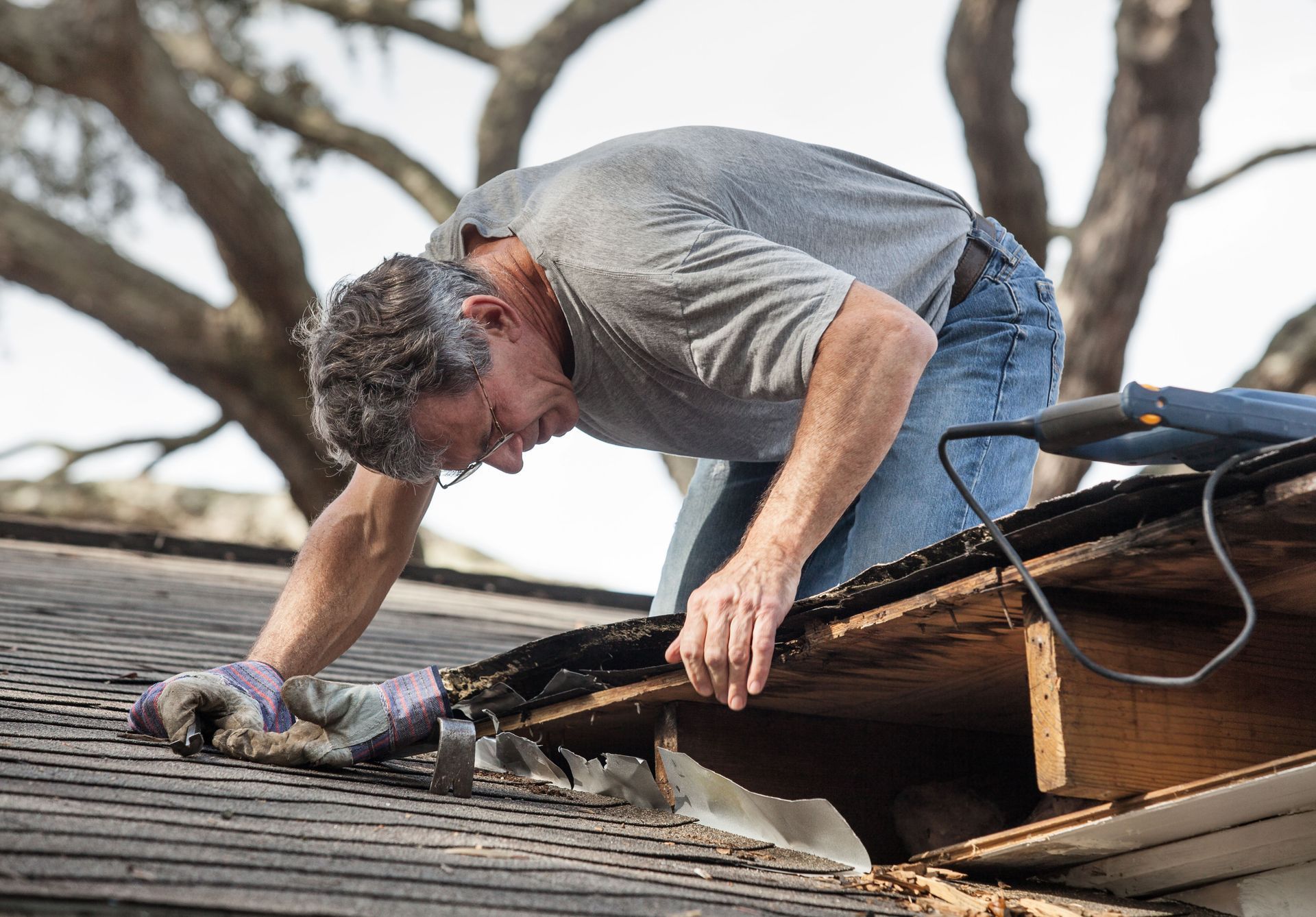
Thermal movement—the expansion and contraction of roofing materials due to temperature changes—is a major contributor to leaks. Asphalt shingles, metal panels, and other materials respond differently to heat and cold, potentially leading to cracks, gaps, or loosened fasteners. Over time, repeated thermal cycles can weaken the roof’s integrity, creating pathways for water intrusion. Local roofing contractors emphasize monitoring stress points like seams, ridges, and edges where thermal movement is most pronounced.
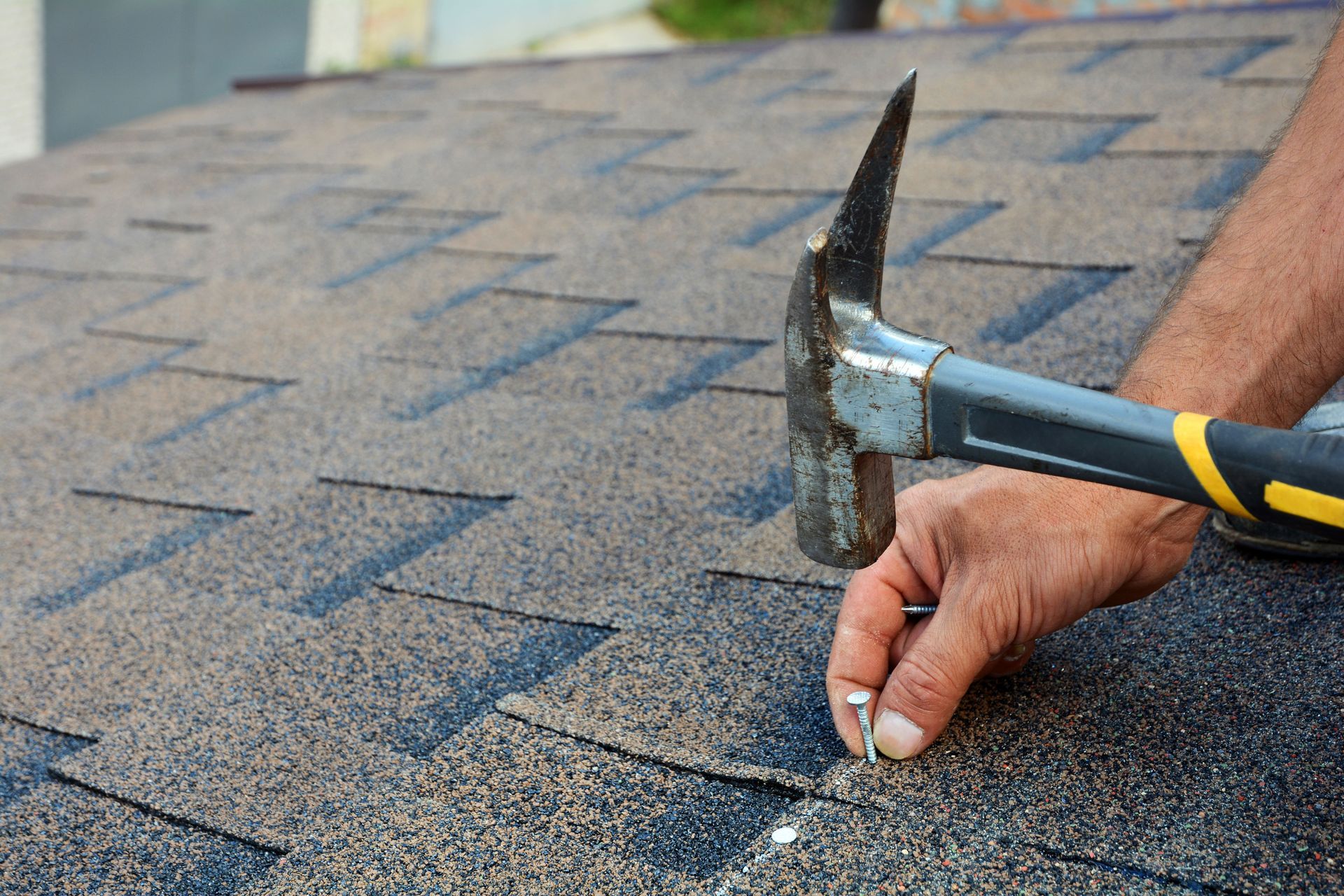
Temperature-induced stress can manifest visibly in curled or brittle shingles, split sealants, or warped flashing. These small signs, if ignored, can lead to significant leaks. Regular inspections, particularly after extreme seasonal changes, are essential to catch damage early. Preventive measures, such as using flexible flashing and durable underlayment, reduce the risk of water infiltration due to material movement.
Choosing the right roofing materials helps minimize expansion and contraction issues. Metal roofing, engineered composites, and high-grade asphalt are better equipped to withstand temperature fluctuations. While more costly initially, these materials offer long-term durability and reduced maintenance.
Implementing movement joints, flexible connections, and protective underlayments ensures that the roofing system accommodates natural shifts without compromising water-tightness. Local roofing professionals can design and install these features during routine maintenance or roof replacement projects. By addressing thermal movement proactively, homeowners can extend the life of their roof and prevent dry-weather leaks.
Faulty Roof Installation
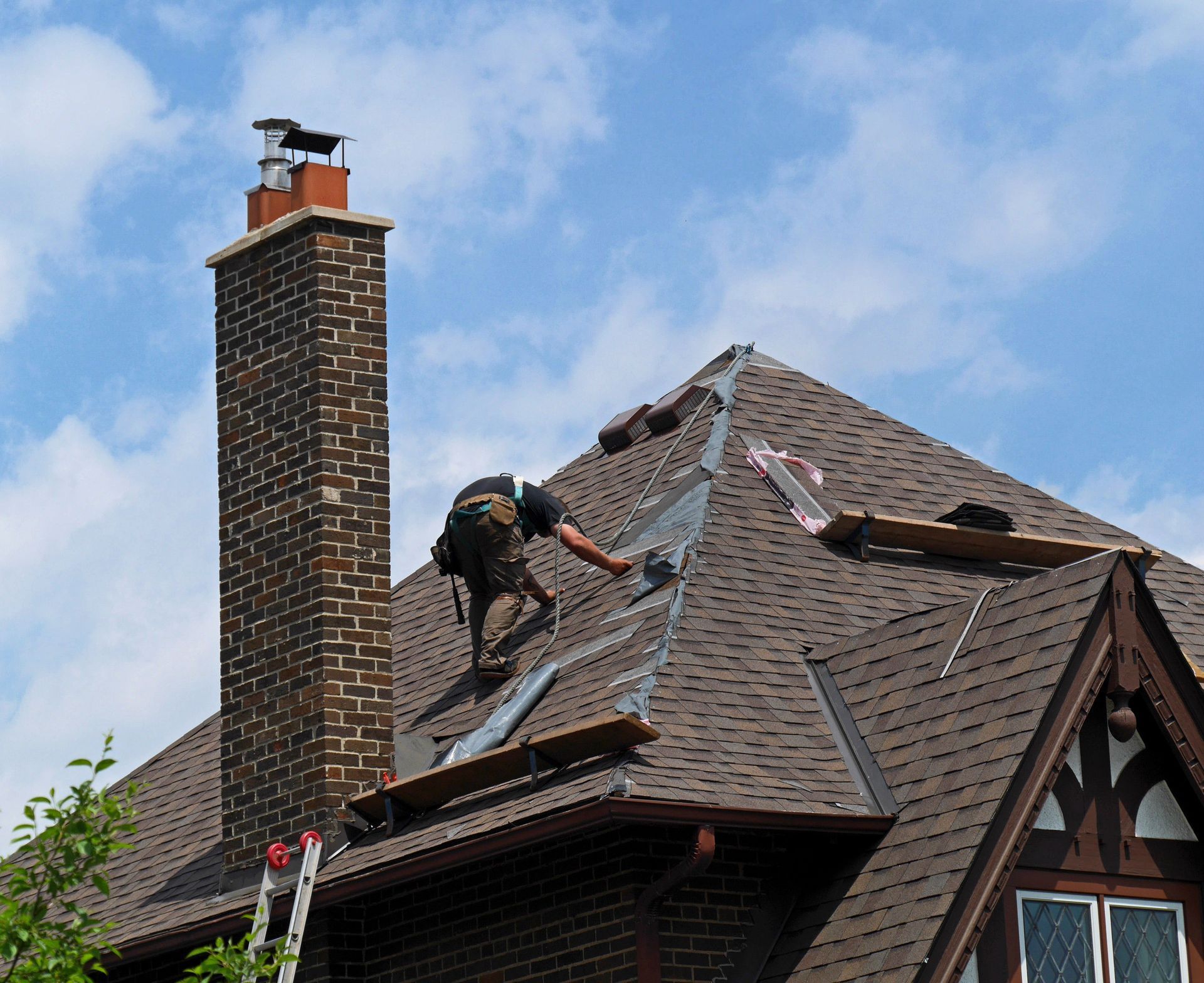
Incorrect roof installation is a leading cause of leaks, even when weather conditions are dry. Issues such as missing shingles, improper sealing around penetrations, and uneven surfaces compromise water resistance and can allow leaks to develop. Homeowners may not notice these issues immediately, but over time, the damage becomes apparent. Local roofing professionals stress the importance of quality installation as a preventative measure.
Poor installation can lead to long-term consequences such as repeated leaks, higher energy bills, and premature material deterioration. DIY installations or inexperienced contractors may overlook crucial details that affect the roof’s durability. Investing in certified local roofing experts ensures that the installation is done correctly, reducing the likelihood of costly repairs down the line.
Professional roofers follow industry best practices, use high-quality materials, and install the roof according to manufacturer specifications. This reduces the risk of thermal movement issues, water infiltration, and other installation-related problems. Local roofing teams often conduct inspections to verify proper installation and provide guidance on ongoing maintenance to preserve roof performance.
Common Roof Leak Facts
According to International Roofing Expo, leaks are the most commonly reported roof issue, affecting nearly 6 million homes in the U.S. This highlights how widespread and insidious roof leaks can be, often occurring even without rainfall. Awareness of this statistic emphasizes the importance of regular maintenance and professional inspections.
Local roofing professionals are uniquely equipped to address these issues. They combine experience, tools, and materials knowledge to identify hidden leak sources and implement long-lasting solutions. Whether the cause is condensation, plumbing penetrations, animal intrusions, or structural problems, local roofing experts provide homeowners with actionable strategies to protect their investment.
Unexpected roof leaks, even in dry weather, can result from condensation, plumbing issues, thermal movement, animal intrusions, poor installation, or structural challenges. Recognizing these causes early and taking proactive measures is essential for long-term roof performance. Engaging experienced local roofing professionals ensures proper inspections, preventive strategies, and durable repairs. By maintaining a consistent maintenance schedule and addressing potential problems promptly, homeowners can protect their property and extend the life of their roof.
For expert local roofing solutions and reliable repairs, contact Garcia & Son Roofing & Gutters today to safeguard your home and prevent costly future damage.