November 3, 2026
Missing shingles on a roof might appear as a minor cosmetic issue to many homeowners. Often dismissed as a mere blemish on a home's exterior, missing shingles can lead to severe underlying problems. Leaving exposed areas untreated invites outdoor weather directly into the foundational decking beneath. Over time, these small breaches compromise internal insulation and create silent structural rot that catches families completely unprepared. Even a single dislodged tab creates a pathway for water that quietly undermines your ceilings and wall framing with every passing storm. This guide examines whether shingle loss is simply an aesthetic concern or a ticking time bomb that compromises your home's structural integrity.
Classifying Different Shingle Materials
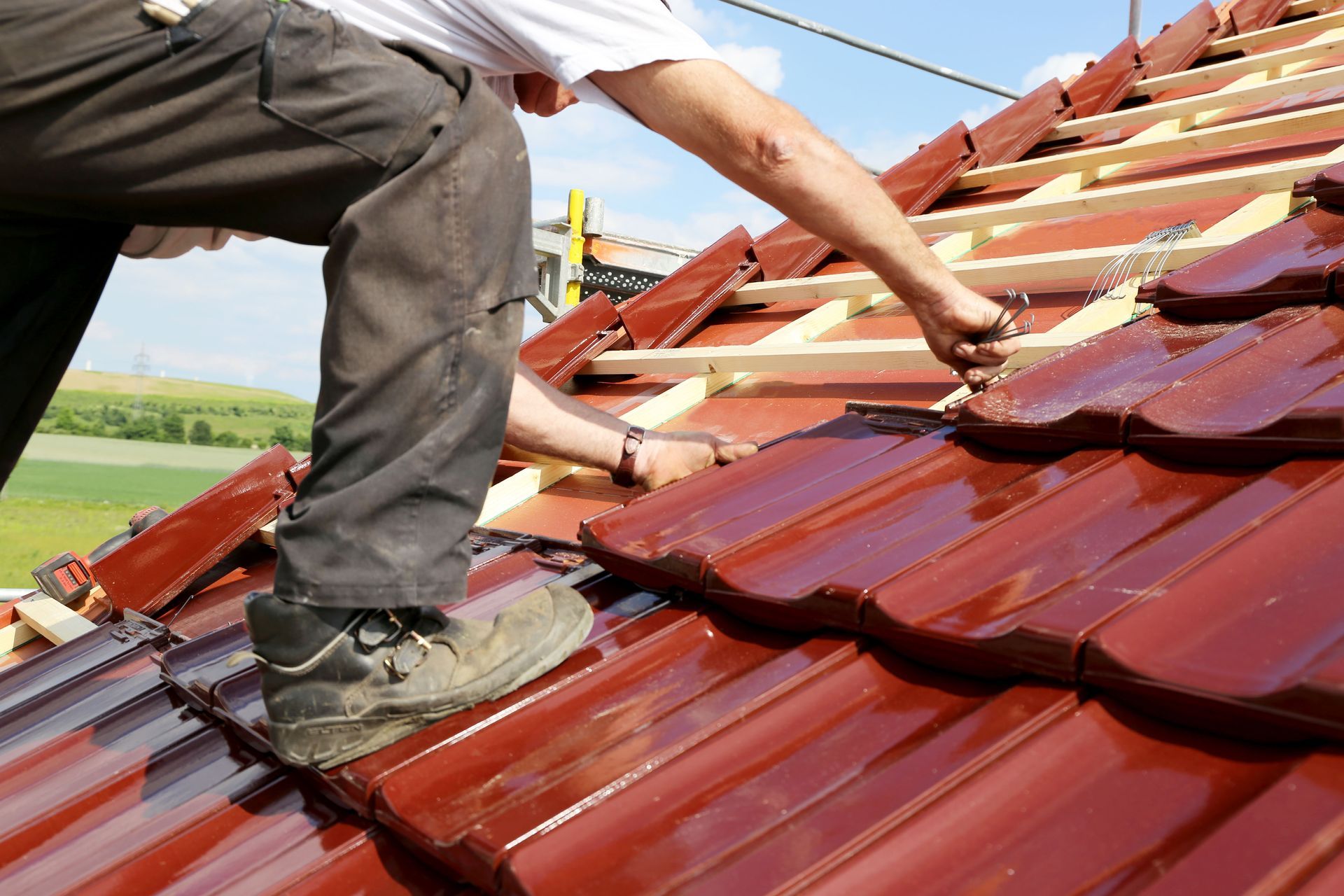
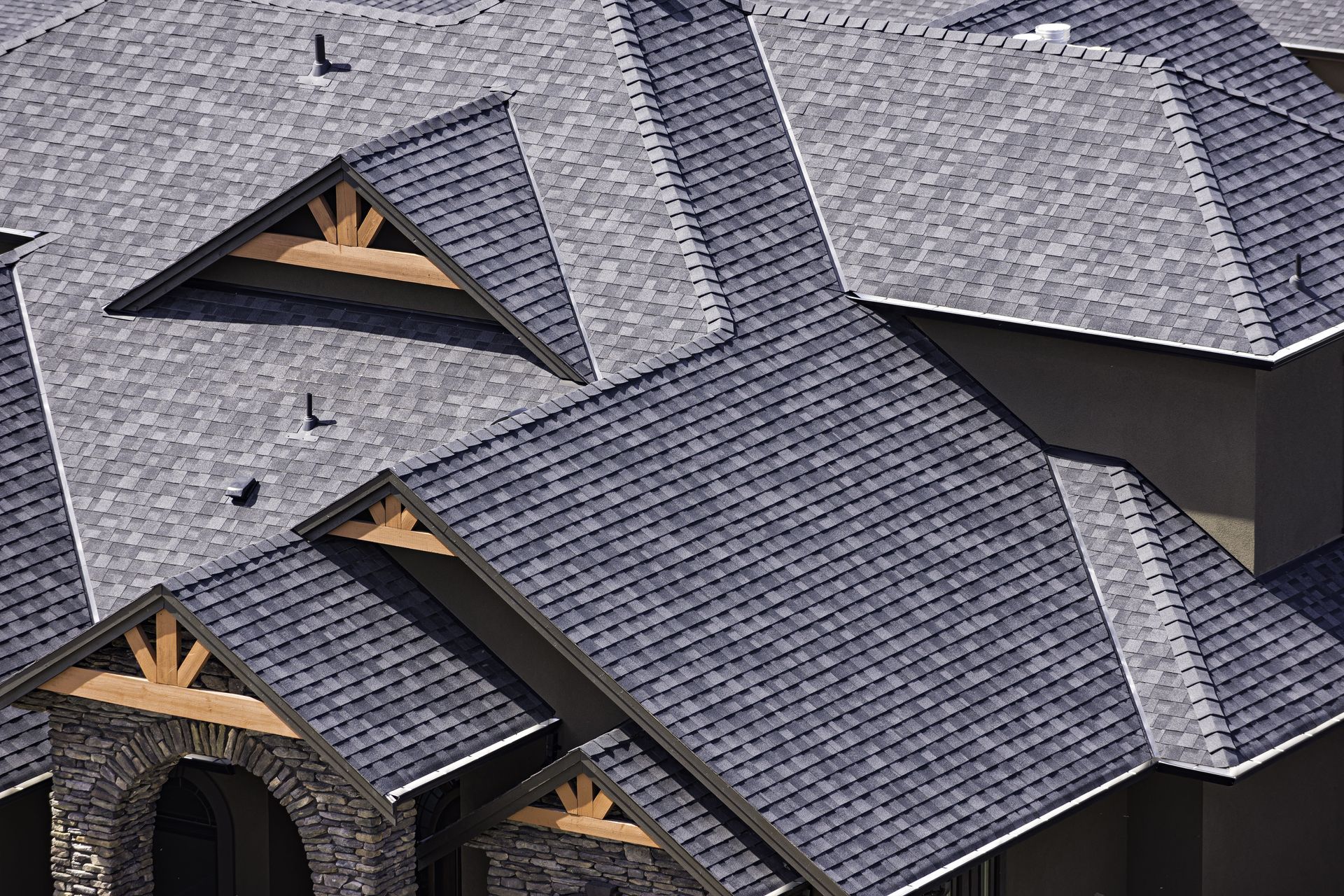
Roof shingles vary widely, with asphalt, wood, and tile being among the most prevalent types. Asphalt shingles, according to RubyHome, are the most common roofing material, used in roughly 80% of roofing projects due to their affordability and versatility. Wood provides a rustic charm but remains vulnerable to rot in humid regions, while clay or concrete tiles offer durability yet crack under heavy impact. Scheduling prompt roof repairs prevents localized material failures from spreading across the entire surface.
Shielding Buildings from Environmental Elements
The primary function of shingles is to protect the home from moisture, high winds, and solar radiation. By shedding water efficiently, shingles stop precipitation from infiltrating the underlying roof decking and wooden rafters. Without a sturdy covering layer, external components face premature rot and decay.
Analyzing Weather and Installation Failures
Storms, high winds, and hail frequently tear brittle shingles away from their underlying fasteners. Aging also weakens factory adhesive strips, leaving aging tabs vulnerable to wind uplift. Improper nailing during installation and unaddressed debris buildup accelerate these dislodging issues.
Spotting Missing Shingles and Granule Loss
Homeowners can detect missing shingles by spotting exposed felt underlayment, bare decking, or crooked shingle tabs from ground level. Heavy accumulation of mineral granules inside gutters also signals that protective coatings are deteriorating. Calling a licensed contractor for timely roof repairs resolves these vulnerabilities before leaks penetrate living spaces.
Balancing Material Expenses and Upkeep
The quality and integrity of installed shingles significantly dictate ongoing maintenance expenses over the lifespan of a house. Lower-grade options may reduce upfront installation costs, but they require frequent interventions and degrade rapidly. High-grade architectural materials resist storm impacts better, lowering lifetime expenditure.
Preserving Curb Appeal and Value
Missing shingles leave unsightly, uneven patches that immediately drag down a property's exterior aesthetic. Appraisers and prospective buyers often view patchy roofs as clear indicators of deferred maintenance. Restoring damaged sections protects your market valuation and maintains neighborhood curb appeal.
Preventing Sudden Water Infiltration
The absence of protective shingles directly exposes roof underlayment to driving rain. Even minor punctures allow water to seep beneath the substrate and saturate load-bearing rafters. Undertaking targeted roof repairs stops hidden leaks before interior drywall and framing suffer irreversible damage.
Maintaining Proper Thermal Insulation
Missing shingles allow outdoor drafts and excessive moisture to bypass the primary roofing barrier. This breach compromises attic insulation, forcing HVAC equipment to run continuously to counter severe heat gain or loss. Sealing these gaps restores steady indoor temperatures and lowers seasonal electricity bills.
Eliminating Compounding Repair Expenses
Postponing shingle fixes creates compounding structural issues that dramatically increase overall restoration bills. A small open patch allows moisture to rot adjacent decking, turning an inexpensive fix into an extensive deck overhaul. Proactive intervention keeps overall home maintenance budgets predictable and manageable.
Protecting Vulnerable Adjacent Tabs
When one shingle tears away, surrounding tabs lose their overlapping seal and face direct wind pressure. This loss triggers a progressive domino effect where neighboring shingles lift, loosen, and blow off during moderate breezes. Timely roof repairs secure these compromised seams before large roof sections strip clean.
Stopping Progressive Moisture Damage
Chronic water intrusion gradually degrades roof trusses, interior ceilings, and exterior wall framing. Unchecked leaks cause structural decking to sag, buckle, and eventually rot away completely. Addressing moisture intrusion immediately safeguards the building envelope from catastrophic structural failure.
Eradicating Attic Mold and Mildew
Moisture entering through missing shingles creates a prime breeding ground for toxic mold and mildew spores within warm attic spaces. These airborne contaminants quickly spread through ventilation ducts, triggering respiratory problems and severe indoor air quality issues. Keeping roof surfaces properly sealed denies hazardous spores the damp environment they need to multiply.
Safeguarding Load-Bearing Framing
Prolonged exposure to trapped water leads to wood rot, rusty fasteners, and deteriorated roof trusses. In advanced stages of decay, compromised roof decking begins to sag and risks localized ceiling collapse. Conducting professional roof repairs as soon as shingles vanish ensures the foundational support structure remains rigid and stable.
Deterring Invasive Pests and Rodents
Openings left by missing shingles provide easy entry points for squirrels, bats, mice, and wood-boring insects. Once inside the attic insulation, pests gnaw on electrical wiring and introduce biological hazards through accumulated waste. Patching missing shingles locks down these access points before pests establish nests.
Protecting Homeowners Insurance Coverage
Insurance providers frequently deny property damage claims if inspections show that water leaks resulted from unaddressed wear or deferred maintenance. Insurers expect property owners to maintain their roofs according to strict care standards to preserve policy protections. Documenting routine service records preserves your financial safety net during catastrophic storm events.
Mitigating Severe Ice Damming
Snow and freezing weather introduce heavy thermal burdens when missing shingles expose underlayment along cold roof eaves. Melted snow trickles beneath uneven tab edges and refreezes into thick ice dams that block standard perimeter drainage paths. Trapped meltwater backs up behind these ridges, seeping past flashing and threatening the structural timber below.
Restoring Proper Ridge Ventilation
Attic ventilation systems rely on consistent airflow moving through intake soffits and exhausting cleanly out along ridge caps. Dislodged shingles near ridge vents disrupt these balanced currents, trapping scorching summer air and winter condensation inside the rafters. Scheduling targeted roof repairs around roof vents stabilizes interior moisture levels and extends the working lifespan of surrounding materials.
Performing Routine Visual Inspections
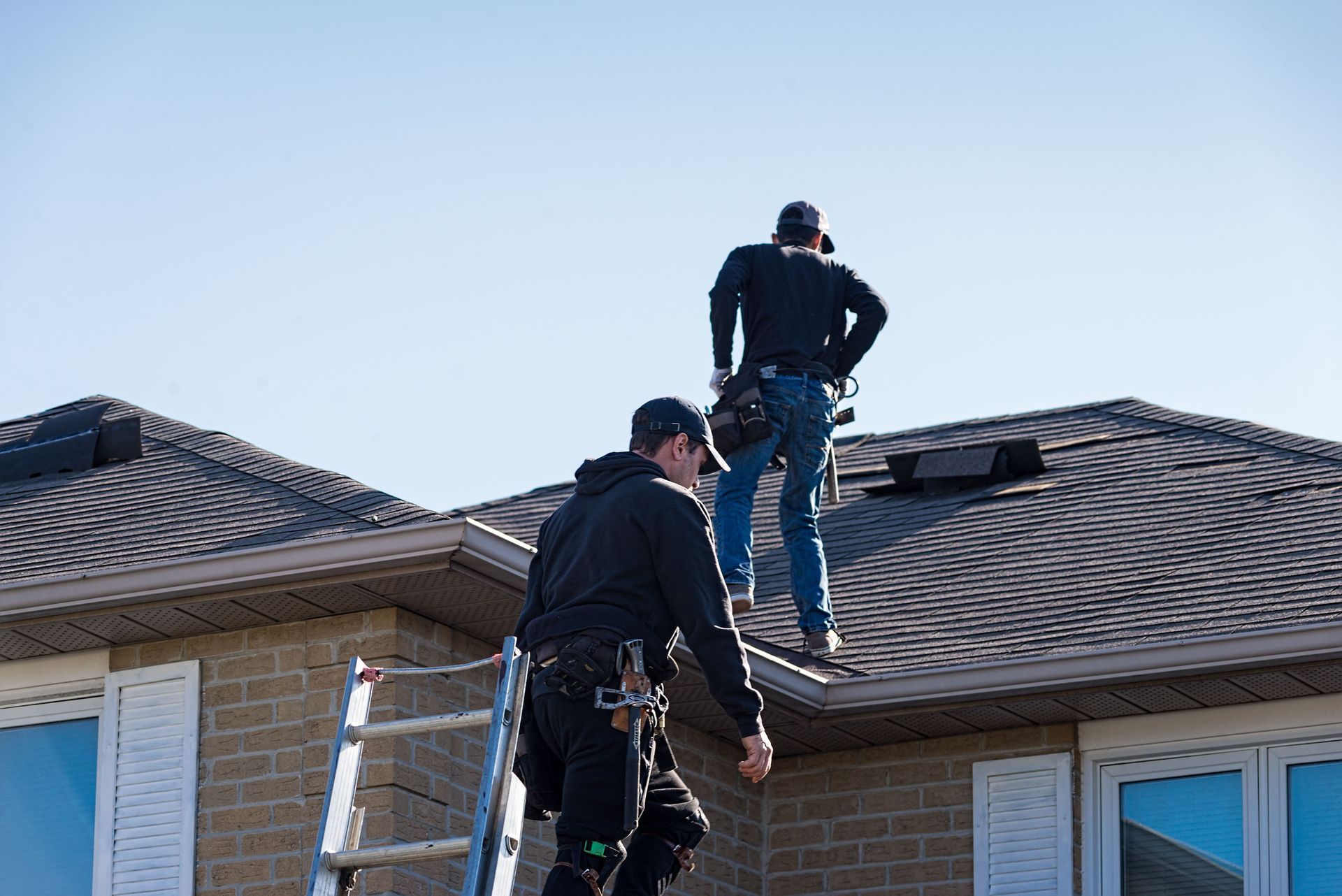
Inspecting roof planes every spring and fall allows homeowners to catch displaced shingles, lifted edges, and compromised flashing early. Spotting isolated flaws from ground level using binoculars helps homeowners catch small defects before moisture infiltrates the roofline. Scheduling an annual professional inspection provides deeper insight into structural ventilation and sealed valleys.
Executing Simple Practical Maintenance
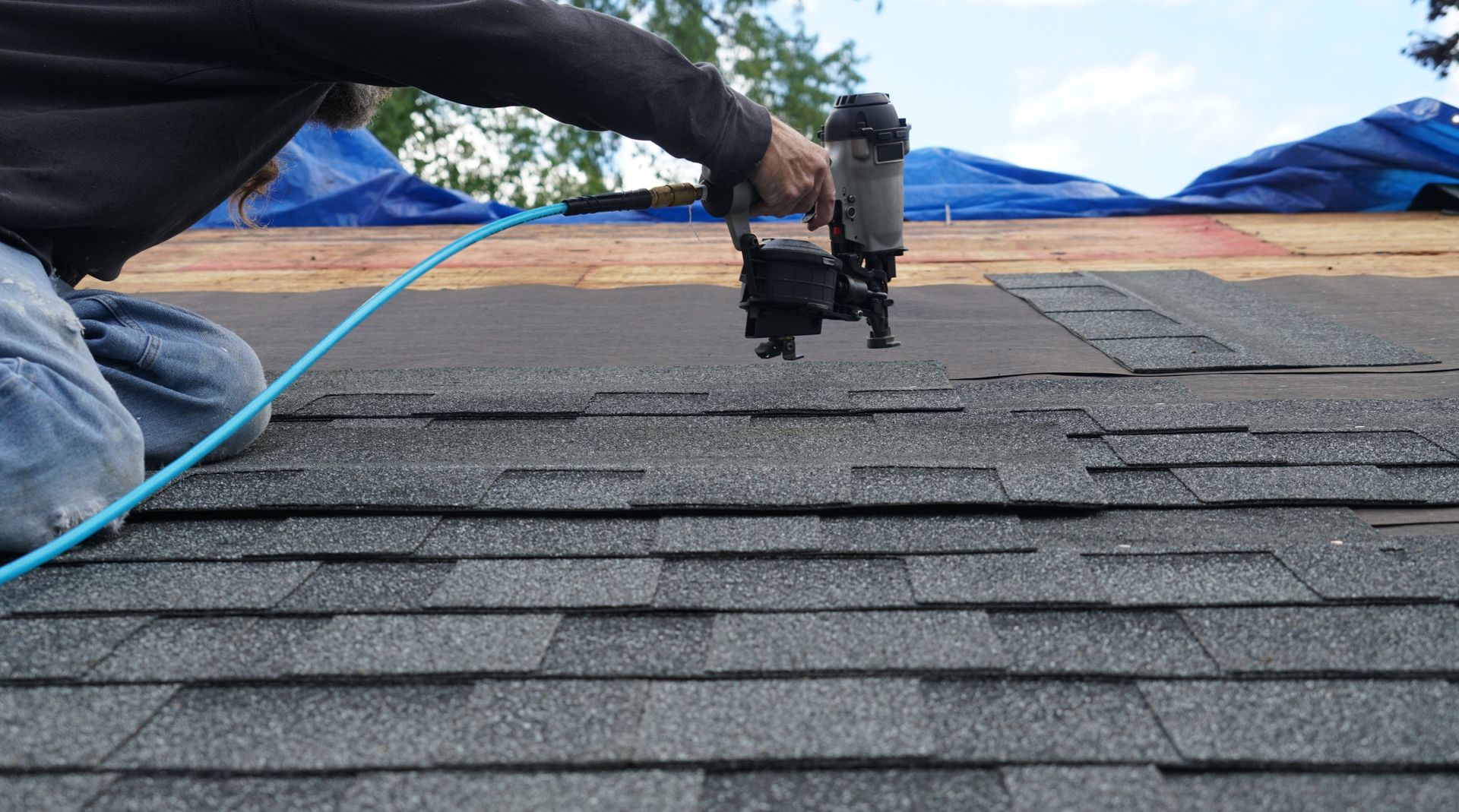
Minor repairs, such as resealing a loose tab with roofing cement or replacing an isolated shingle, can be handled using basic tools. However, steep pitches and widespread storm damage present serious falling hazards that require professional safety gear. Investing in expert roof repairs guarantees that replacement materials blend seamlessly and seal tightly against future gales
.
Implementing Seasonal Property Care
Seasonal adjustments help roofing materials withstand shifting outdoor temperatures throughout the year. Clearing leaf litter from gutters each autumn prevents ice dams and moisture backup along the eaves during freezing weather. Checking attic ventilation during hot summer months prevents thermal buildup that cooks shingles from the underside.
Missing shingles are never merely a cosmetic blemish; they represent direct vulnerabilities that threaten your entire home's structural stability. Taking immediate action against minor exterior defects stops hidden water intrusion, deters invasive pests, and preserves property value. For expert roof inspections, dependable maintenance, and top-tier installations, schedule your consultation with Garcia & Son Roofing & Gutters.