October 29, 2026
A roof protects your property from the elements, supports energy efficiency, and contributes to its long-term value. Whether you need repairs, maintenance, or a complete replacement, understanding how roofing contractors work helps you make informed decisions and plan a successful project. Learning about contractor qualifications, material options, costs, and maintenance requirements can help you avoid common mistakes and choose solutions that provide lasting protection.
Understanding Roofing Contractors and Their Services
Choosing the right professional helps protect your property and prevent costly damage. Understanding contractor qualifications, services, and responsibilities makes it easier to find someone who meets your needs and budget.
Defining Contractor Roles and Responsibilities
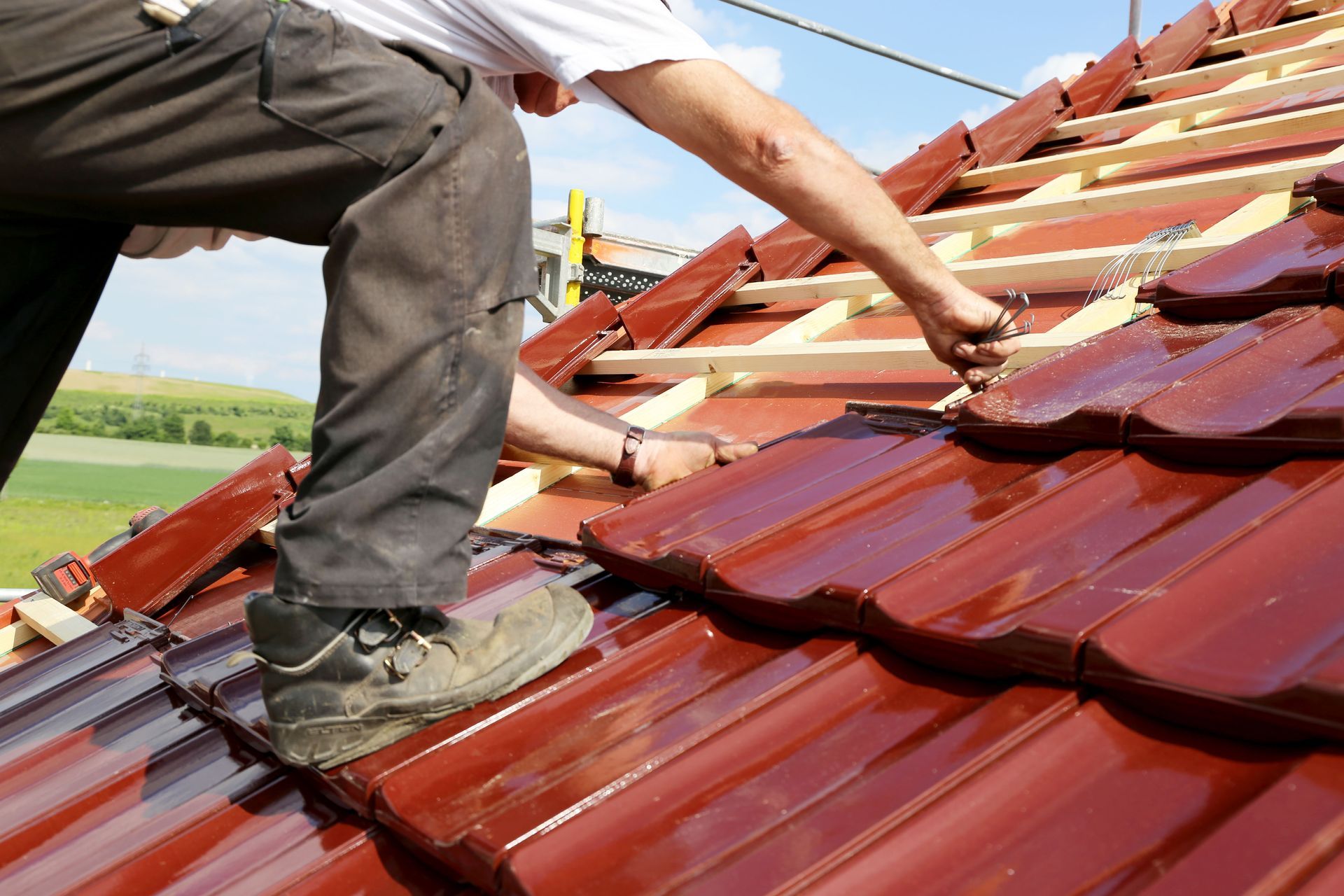
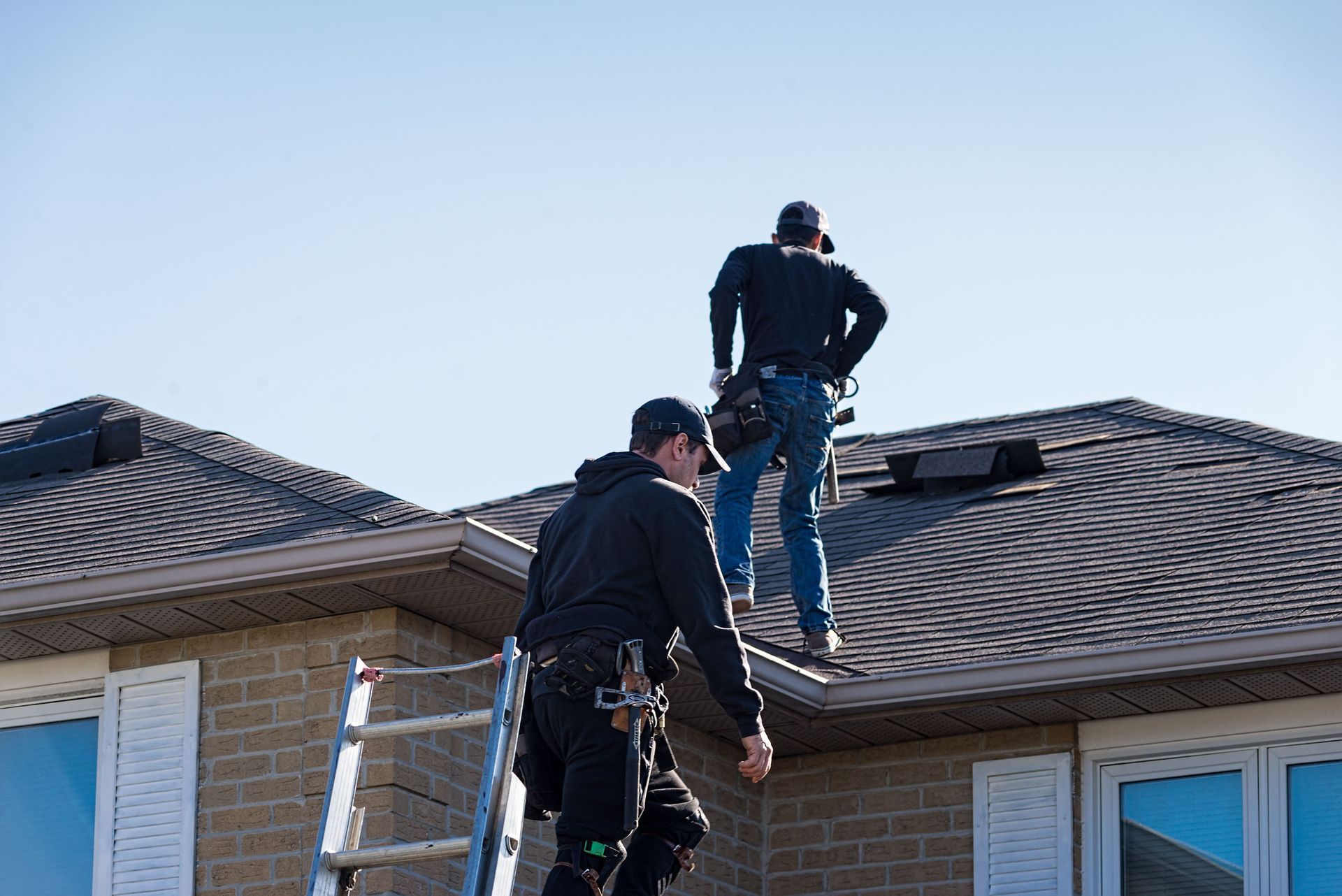
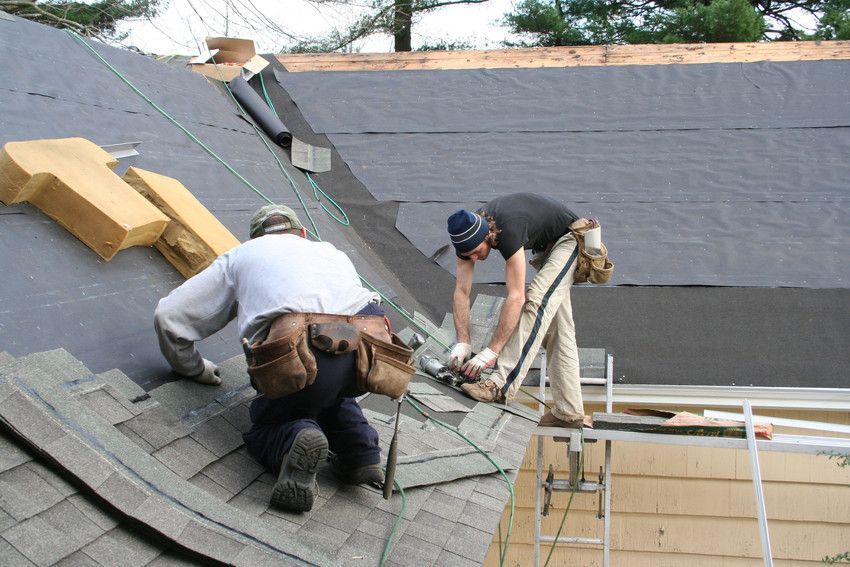
Roofing contractors install, repair, and maintain residential and commercial roofs. They evaluate roof conditions, identify damage, recommend materials, and ensure work follows applicable building codes and safety standards. Experienced professionals can also identify developing problems before they cause extensive structural damage.
Identifying Different Contractor Specialties
Residential contractors handle home repairs, maintenance, and replacements. Commercial specialists work on larger buildings with specialized drainage and roofing systems, while industrial contractors address facilities with additional structural and safety requirements. Choosing someone with relevant experience helps ensure the project receives appropriate attention.
Verifying Licenses, Insurance, and Certifications
Before hiring, verify applicable licensing requirements, insurance coverage, and relevant certifications. General liability insurance and workers' compensation can help protect property owners from certain financial risks. Request current documentation and confirm credentials rather than relying on verbal assurances.
Evaluating Available Roofing Services
Common services include installations, repairs, inspections, and preventative maintenance. Repairs address leaks, damaged shingles, and deteriorating flashing, while maintenance helps identify problems and extend a roof's useful life. Contractors may also coordinate crews, materials, and schedules to keep projects organized.
Choosing Roofing Contractors for Your Property
Researching Reviews and Recommendations
Research local professionals and review feedback from previous customers. Recommendations from neighbors, friends, and family can provide insights into reliability and workmanship. Online reviews may reveal recurring concerns about scheduling, cleanup, or costs. Compare several candidates rather than choosing based only on price.
Assessing Experience and Project History
Ask about similar projects and review available photographs to evaluate a contractor's experience with your roofing materials and property type. According to RubyHome, 85% of the roofing business in the U.S. is dominated by replacing roofs on existing homes. This highlights the importance of hiring professionals who understand aging materials, hidden damage, and the challenges of working with existing structures.
Reviewing Contracts and Project Details
A written contract should outline the project scope, materials, estimated schedule, payment terms, and warranty coverage. It should also explain how unexpected repairs will be approved and priced. Review the agreement carefully and ask questions about unclear terms before signing. Having these details in writing helps both parties understand their responsibilities.
Comparing Communication and Professionalism
Ask how the contractor handles unexpected damage, weather delays, and customer concerns. Clear explanations and realistic expectations indicate an organized approach. Choose a professional who communicates consistently and explains recommendations in understandable terms.
Planning Roofing Costs and Project Budgets
Estimating Materials and Labor Expenses
Project costs depend on roof size, design complexity, materials, labor, and the condition of the underlying structure. Steep slopes and difficult access may increase expenses. Request itemized estimates covering materials, labor, removal of existing roofing, and cleanup to compare proposals accurately.
Preparing for Unexpected Repairs
Roofing projects can uncover damaged decking, moisture intrusion, or deteriorated flashing. Weather and material availability may also affect costs. Set aside a contingency fund and establish how additional work must be documented and approved before proceeding.
Comparing Estimates and Payment Schedules
Compare written estimates based on scope, material quality, labor, warranties, and cleanup. An unusually low bid may exclude necessary work. Review deposits, progress payments, and final payment requirements, and avoid paying the entire amount upfront.
Exploring Available Financing Options
Personal loans, home improvement financing, and contractor-arranged payment plans may help manage replacement costs. Compare interest rates, fees, repayment periods, and total borrowing expenses before selecting an option that fits your budget. Planning ahead can help you address essential roofing work without overlooking other household expenses.
Selecting Roofing Materials and Technologies
Comparing Common Roofing Materials
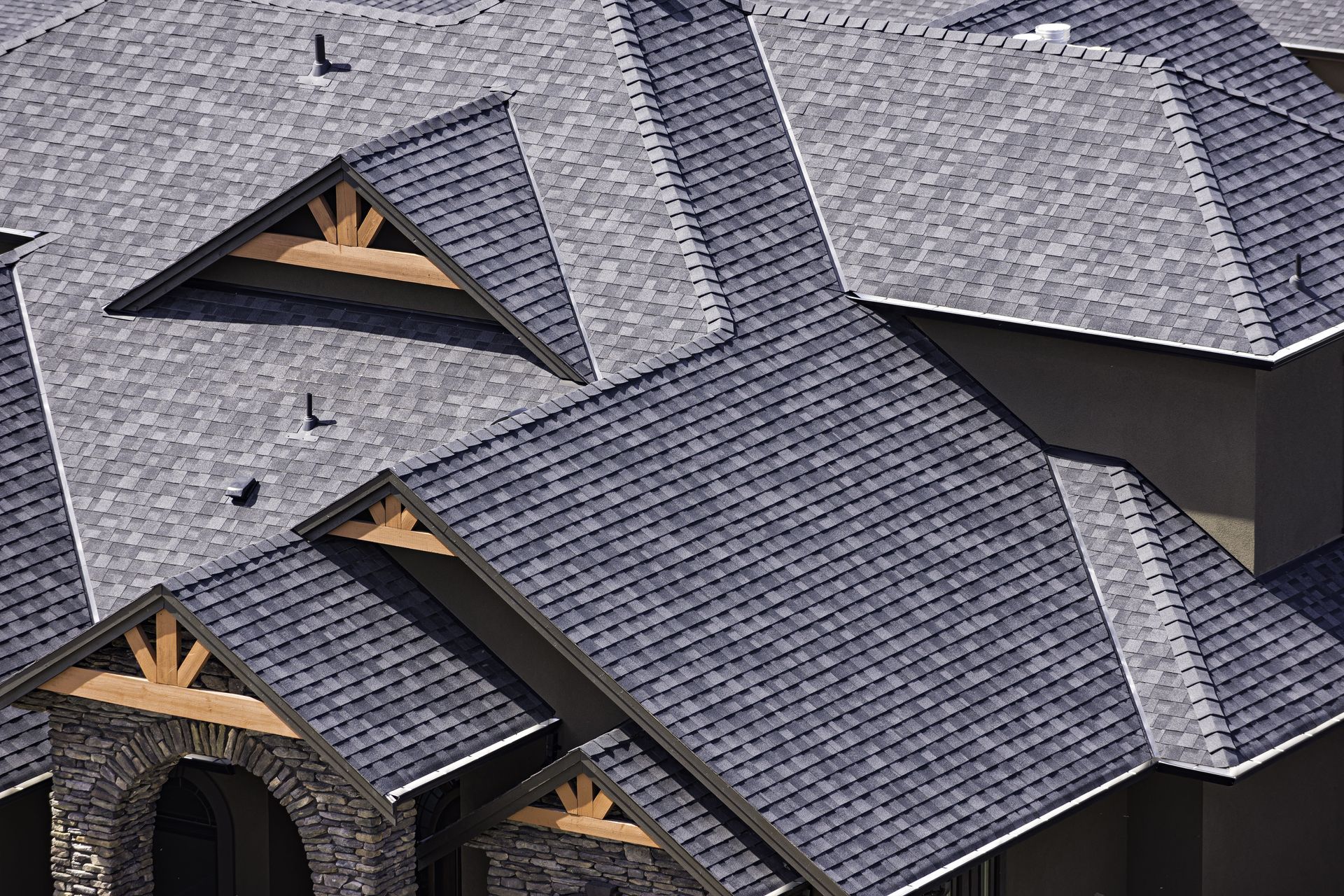
Asphalt shingles are widely available and generally economical. Metal roofing offers durability, while tile and slate provide distinctive appearances and long service lives when properly installed and maintained. Each material has different costs, structural requirements, and maintenance needs. Roofing contractors can help identify suitable options for your property, climate, and budget.
Considering Modern Roofing Innovations
Reflective materials can reduce heat absorption, while solar roofing products combine weather protection with electricity generation. Advanced underlayments and ventilation systems can also support moisture management. Evaluate these technologies according to your property's needs and budget.
Improving Energy Efficiency and Sustainability
Roof color, insulation, ventilation, and material selection influence energy use. Reflective materials may reduce heat gain in suitable climates, while effective ventilation helps manage attic moisture and temperatures. Discuss sustainable materials and efficiency improvements with a professional to determine which options offer practical benefits.
Prioritizing Durability and Weather Resistance
Roofing materials must withstand local conditions, including rain, strong winds, temperature changes, and hail. Proper installation, flashing, and drainage are essential to durability. Ask roofing contractors about manufacturer specifications and select a system suited to the property's exposure and structural requirements.
Managing Roofing Project Timelines and Quality
Establishing Realistic Project Schedules
Timelines depend on roof size, material availability, weather, and repair requirements. Establish expected start and completion dates, along with milestones for delivery, installation, and final inspection. Clear scheduling helps property owners prepare for temporary disruptions and coordinate other responsibilities around the work.
Coordinating Crews and Material Deliveries
Contractors coordinate suppliers, workers, and other trades to prevent unnecessary delays. Confirming delivery dates and planning equipment placement helps maintain an organized job site. Discuss how debris, access points, and surrounding property areas will be managed during construction.
Addressing Delays and Unexpected Challenges
Rain, high winds, material shortages, and hidden damage can interrupt roofing work. Roofing contractors should explain how these issues affect costs and schedules and how exposed areas will be protected during pauses. Prompt communication helps minimize disruption.
Maintaining Workmanship and Quality Standards
Quality control involves checking materials, installation methods, flashing, ventilation, and drainage throughout the project. Contractors should follow manufacturer specifications and applicable building codes. A final inspection helps identify concerns and confirm that the work meets agreed expectations.
Protecting Your Roof After Project Completion
Completing Final Inspections and Documentation
Review the finished project with the contractor and confirm that the agreed work is complete. Obtain invoices, warranty documents, and records of installed materials. Keeping these documents organized helps with future maintenance and warranty claims.
Understanding Warranties and Maintenance
Warranties may cover manufacturing defects or specified workmanship issues, depending on their terms. Review coverage, exclusions, and maintenance requirements. Periodic inspections can identify loose materials, damaged flashing, and drainage problems before they cause more extensive damage. Roofing contractors can also explain appropriate maintenance practices for the materials installed on your property.
Planning for Future Roofing Needs
As materials age, ongoing inspections and timely repairs help preserve roof performance. Keep records of maintenance and recurring problems, and discuss replacement planning when the roof approaches the end of its expected service life. A dependable professional can help you plan future improvements.
For guidance on repairs, maintenance, or roof replacement, contact Garcia & Son Roofing & Gutters to discuss your property's needs and explore suitable solutions. Working with an experienced professional helps you protect your investment and make informed roofing decisions.