May 12, 2026
Understanding professional roofing services goes beyond simply selecting shingles. A roof plays a critical role in protecting a home from the weather while also contributing to its overall appearance and value. Homeowners often overlook how much planning, material selection, and expert installation go into a reliable roofing system. Learning about these factors helps ensure better long-term decisions.
This guide explores essential aspects of roofing, including materials, installation, maintenance, and industry trends. Whether planning a replacement or maintaining an existing structure, knowing how roofing services work can help protect your investment and improve your home’s performance over time.
Understanding Roofing Materials
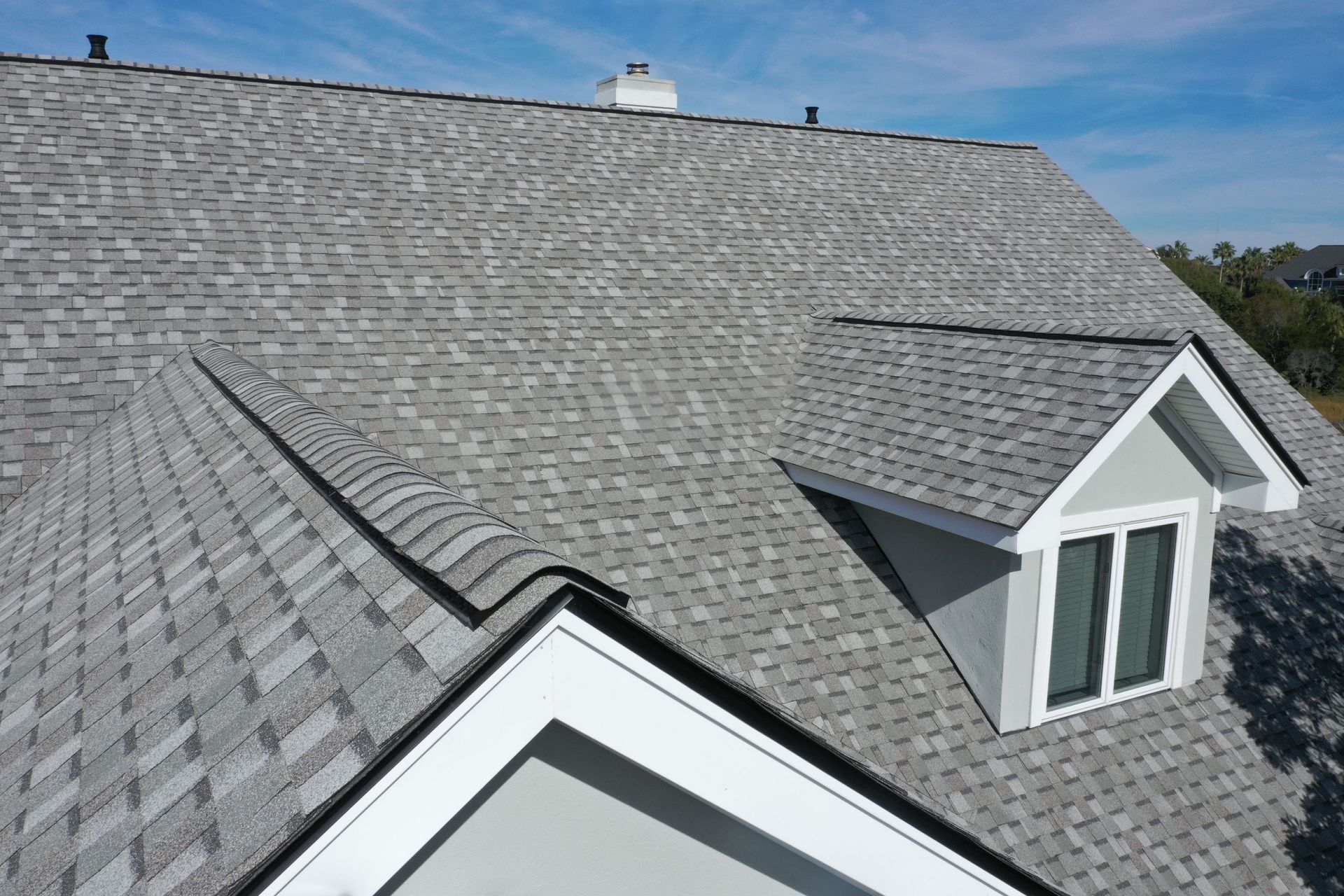
Roofing materials come in a wide range of styles, each offering different benefits. Traditional options such as asphalt shingles, wood shakes, and clay tiles remain widely used due to their availability and visual appeal. Asphalt shingles are especially common because they are affordable and relatively easy to install, making them a practical choice for many homeowners.
Modern advancements have introduced materials designed for durability and sustainability. Synthetic roofing products replicate the look of natural materials while requiring less maintenance. Options like metal roofing and solar tiles also provide energy efficiency benefits. These newer solutions are becoming more popular as homeowners prioritize performance and environmental impact.
Durability is a key factor when choosing roofing materials. Asphalt shingles may last a couple of decades, while metal or tile roofs can last significantly longer with proper care. Selecting the right material depends on climate conditions, maintenance expectations, and budget considerations. Reliable roofing services can guide homeowners toward materials that suit both their home and long-term goals.
Cost plays a major role in decision-making. Lower upfront costs may seem appealing, but materials with longer lifespans often provide better value over time. Installation, labor, and removal of old roofing also affect the total cost. Balancing these factors helps ensure a practical and financially sound investment.
The Role of Professional Roofing Contractors
Professional contractors are essential to successful roofing projects. They bring experience, proper tools, and safety knowledge that ensure installations are completed correctly. Without professional roofing services, even high-quality materials can fail due to improper installation or overlooked structural issues.
Licensing and certifications demonstrate that a contractor meets industry standards and local regulations. These credentials also provide reassurance that the contractor understands proper techniques and safety requirements. Many manufacturers require certified installers for warranties, making qualifications even more important.
Experience adds another layer of value. Contractors who have worked on different roofing systems can quickly identify potential problems and recommend effective solutions. Their understanding of local weather patterns and building codes ensures that roofs are designed to perform well in specific environments.
Project management is another important responsibility. From inspections to final cleanup, professional roofing services handle each phase efficiently. Clear communication, scheduling, and coordination help minimize disruptions while keeping the project on track. This structured approach improves both quality and customer satisfaction.
Roof Installation Techniques
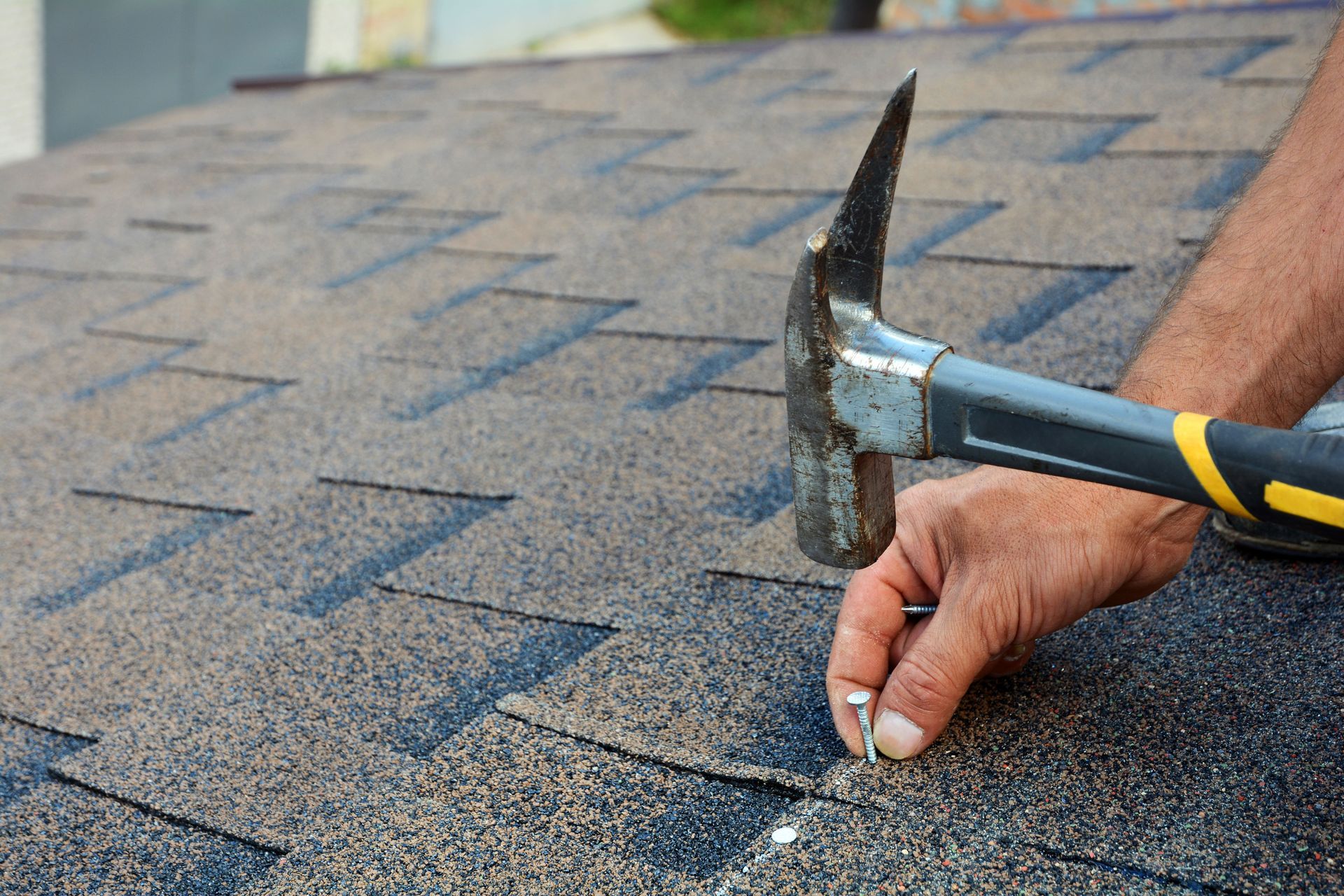
Roof installation requires precision and attention to detail. Traditional methods, particularly with asphalt shingles, rely on proper layering and alignment to prevent leaks. According to This Old House, steep-slope asphalt shingles are the most popular roofing material in the U.S., with 83% of roofing contractors listing it as their primary source of revenue. This widespread use highlights the importance of proper installation techniques.
Modern installation methods have improved efficiency and performance. Self-adhering membranes and interlocking systems help create stronger seals while reducing installation time. These advancements also improve resistance to wind and moisture, which helps extend the life of the roof.
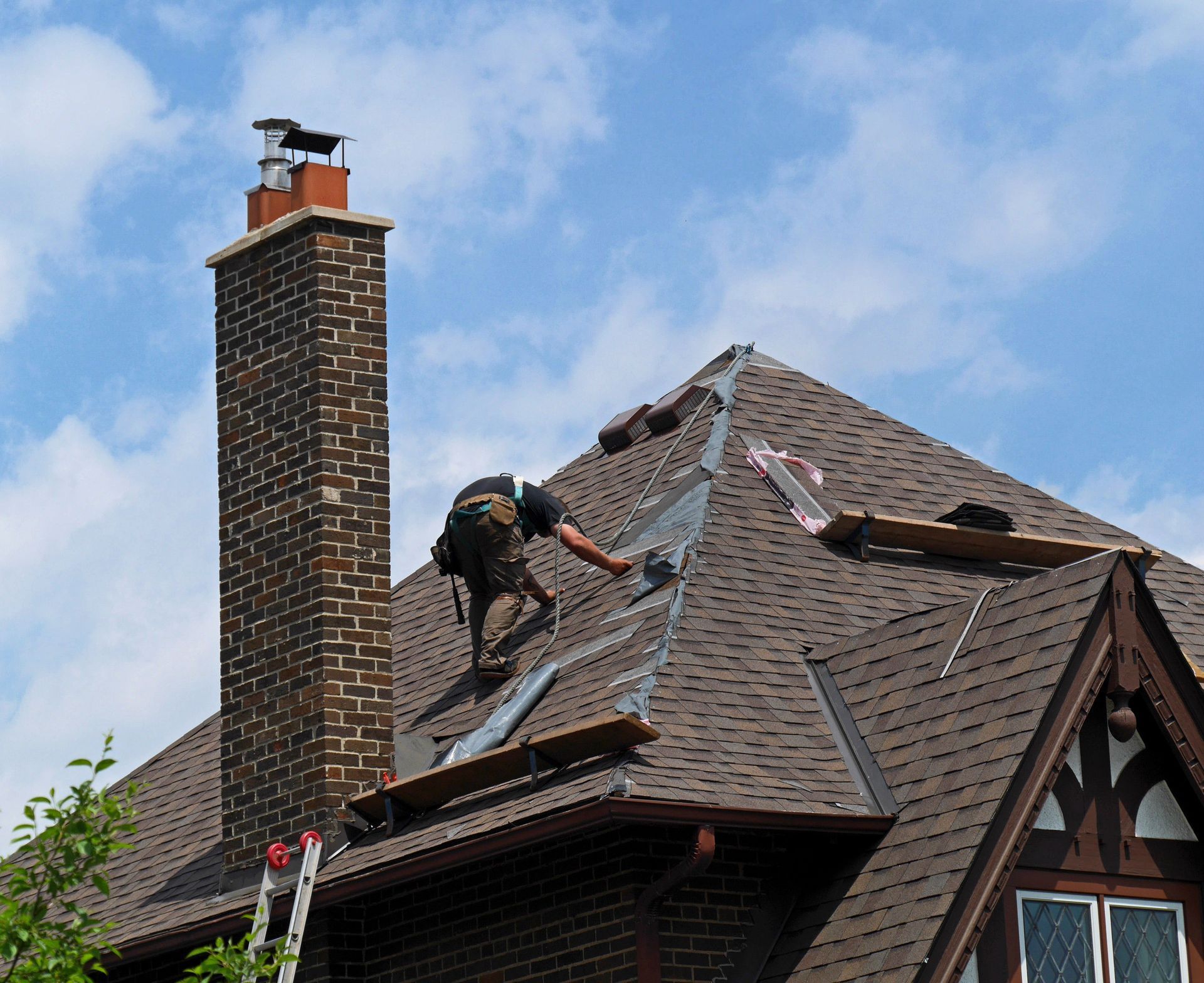
Safety is a top priority during installation. Contractors use harnesses, guardrails, and other protective equipment to reduce risk. A well-organized worksite also prevents accidents and ensures the project runs smoothly. Professional roofing services prioritize safety to protect both workers and property.
Complex roof designs require specialized expertise. Features such as multiple slopes or unique architectural elements demand careful planning and execution. Skilled contractors ensure proper sealing and drainage, maintaining both functionality and appearance.
Roof Maintenance and Upkeep
Routine maintenance is essential for preserving roof performance. Regular inspections help identify small issues before they become costly repairs. Checking for loose shingles, leaks, and wear at least twice a year can significantly extend the life of a roof.
Seasonal maintenance also plays an important role. Winter conditions may require snow removal, while spring and fall are ideal for clearing debris and checking for damage. Summer maintenance often focuses on preventing heat-related wear and removing algae or moss buildup.
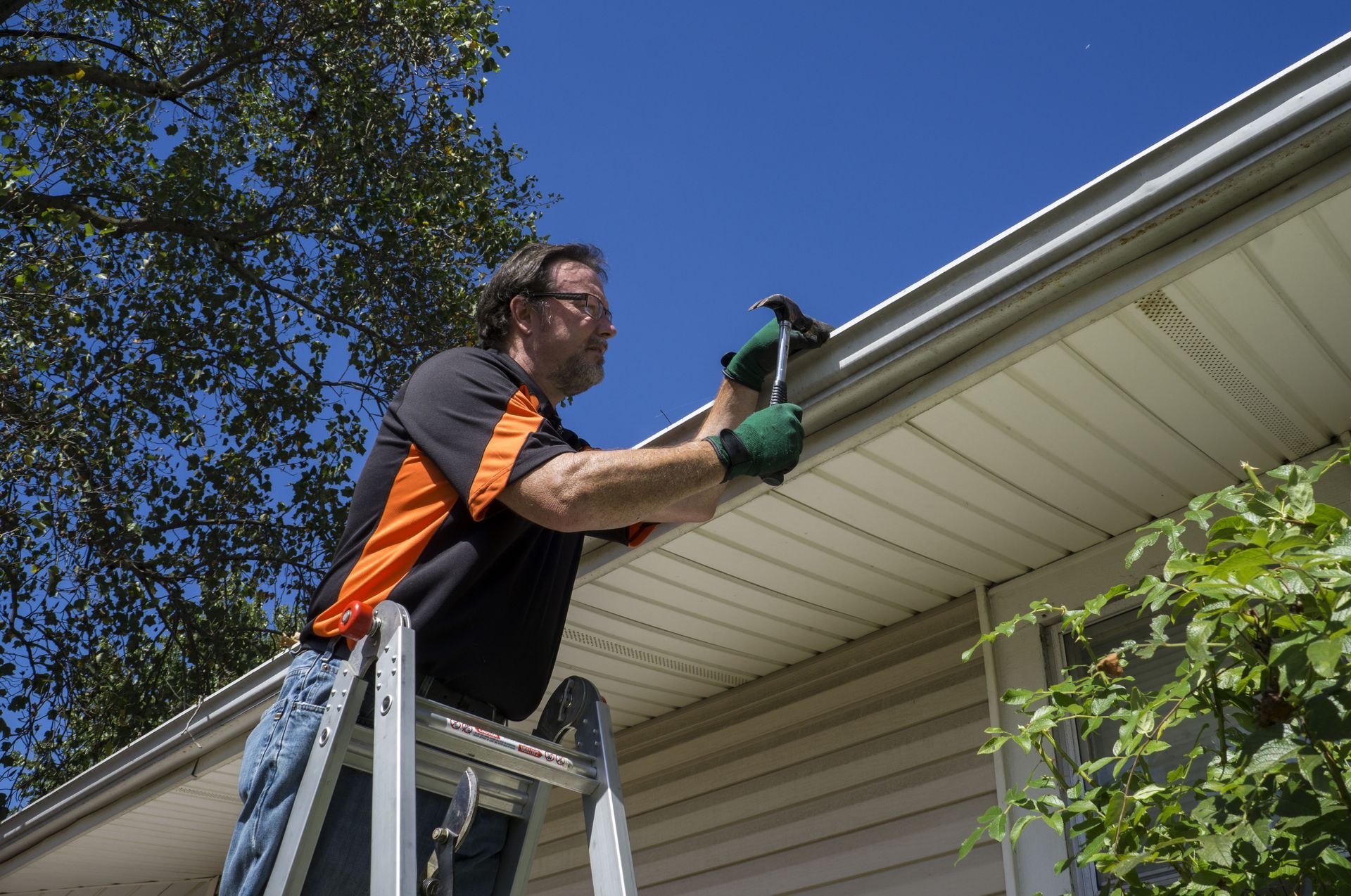
Addressing minor problems quickly prevents larger issues. Replacing damaged shingles, sealing small leaks, and keeping gutters clear all contribute to long-term durability. Professional roofing services can identify hidden damage that may not be visible to homeowners.
Cleaning is another important step in maintenance. Debris buildup can trap moisture and lead to deterioration over time. Gentle cleaning methods help maintain both the appearance and function of roofing materials. Consistent upkeep protects the investment and keeps the home looking well-maintained.
Environmental Considerations and Sustainability
Sustainability is becoming increasingly important in roofing. Many homeowners are choosing materials that reduce environmental impact while improving energy efficiency. Options like metal roofing, recycled shingles, and cool roofs help lower energy consumption and minimize waste.
Energy-efficient roofing systems can significantly reduce heating and cooling costs. Reflective materials limit heat absorption, while proper insulation helps maintain stable indoor temperatures. These improvements not only reduce utility bills but also support long-term environmental goals.
Recycling old roofing materials is another growing trend. Asphalt shingles can be repurposed for paving, while metal components are often fully recyclable. Responsible disposal methods reduce landfill waste and promote sustainable building practices.
Green roofs are also gaining attention in certain settings. These systems incorporate vegetation, improving insulation and managing stormwater runoff. While not suitable for every home, they demonstrate how roofing services continue to evolve with environmental priorities in mind.
Future Trends in the Roofing Industry
The roofing industry continues to evolve with new technologies and materials. Smart roofing systems that monitor performance and detect issues are becoming more common. These innovations allow homeowners to address problems early and maintain efficiency over time.
As materials become more advanced, the demand for skilled professionals continues to grow. Contractors must stay updated on new techniques and certifications to provide high-quality roofing services. Ongoing training ensures that installations meet modern standards and expectations.
Choosing experienced roofing services helps ensure consistent quality, safety, and long-term durability. Homeowners benefit from proper planning, inspections, and reliable maintenance support over time overall. Modern roofing services continue to evolve with better materials, improved safety standards, and innovative tools that help deliver stronger, longer-lasting roof systems for homeowners today. Consumer preferences are also shaping the industry. Many homeowners prioritize durability, low maintenance, and energy efficiency when selecting roofing systems. This demand encourages manufacturers and contractors to offer more customized solutions.
Additionally, ongoing advancements in roofing technology, including improved insulation systems and weather-resistant coatings, continue to enhance overall building performance. These developments help extend roof lifespan, reduce maintenance needs, and improve energy efficiency, giving homeowners more cost-effective and durable options for long-term property protection and comfort in modern roofing systems today.
Climate considerations are influencing roofing design as well. Stronger materials and improved installation methods help roofs withstand extreme weather conditions. These advancements ensure that roofing systems remain reliable despite changing environmental challenges.
Professional roofing services will continue to adapt as technology and sustainability efforts progress. By staying informed and working with experienced contractors, homeowners can make confident decisions that protect their property for years to come. For more information, contact Garcia & Son Roofing & Gutters today.