September 29, 2026
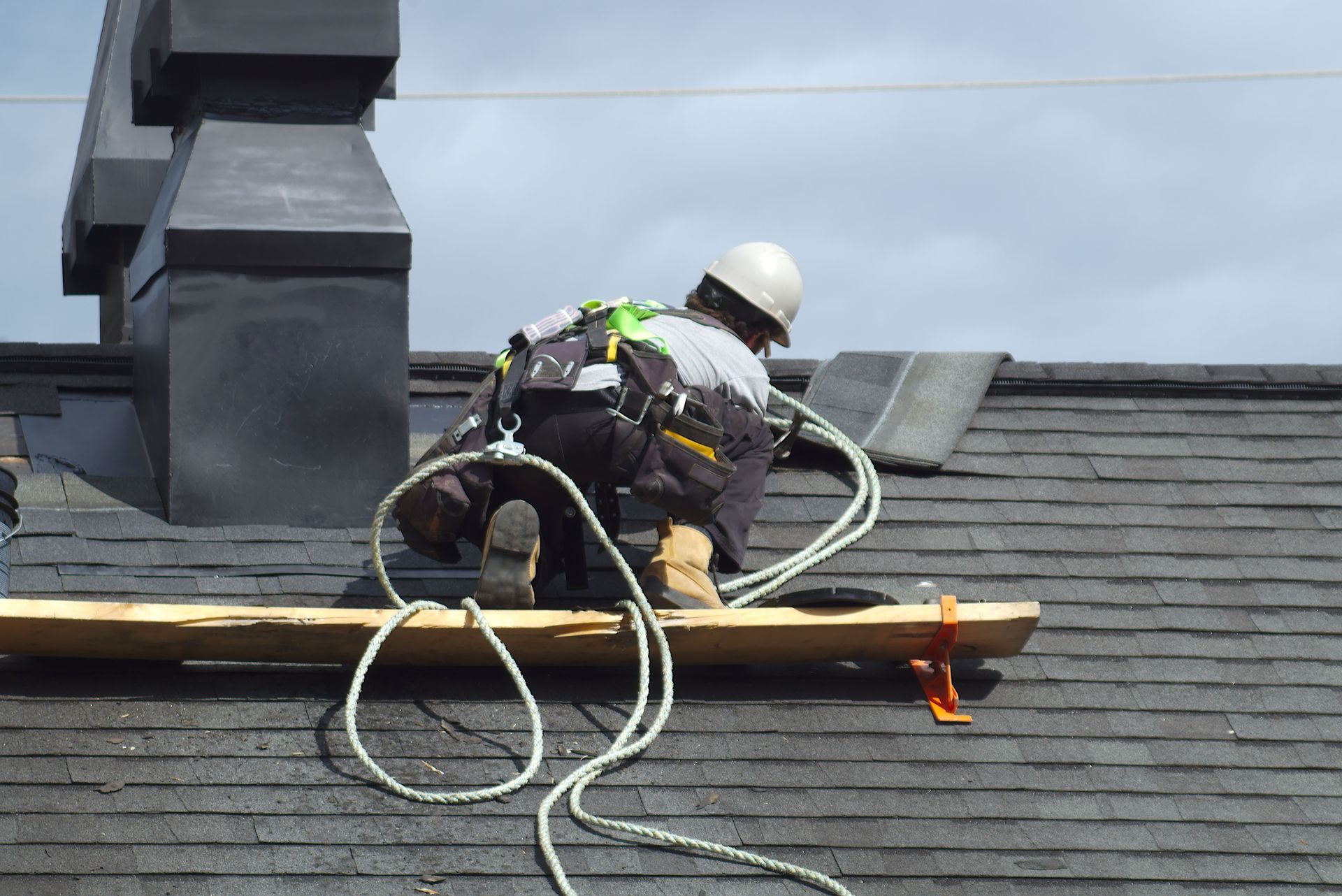
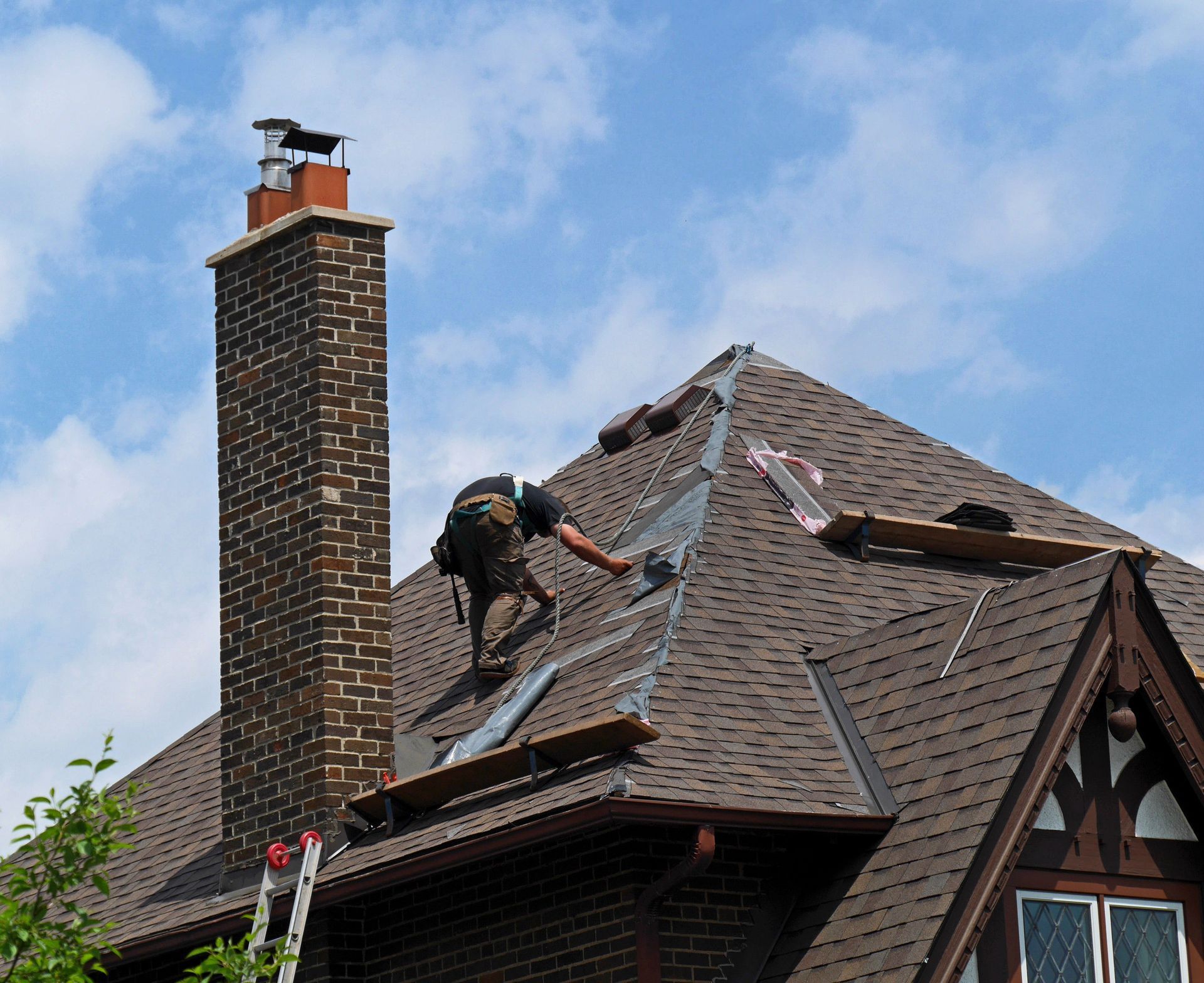
Every single home relies on a strong, dependable roof to shield it from harsh seasonal weather, high wind gusts, heavy rains, and ordinary daily wear and tear. When unexpected structural damage occurs, scheduling timely roofing services helps repair broken shingles, resolve sudden leaks, or fix deteriorating decking before small issues expand across the entire building. However, many property owners completely overlook the critical role that balanced attic airflow plays throughout the entire structural restoration process. Proper ventilation ensures that trapped heat and excess moisture escape effectively rather than accumulating directly beneath fresh materials. Addressing air movement while fixing structural issues creates a durable, resilient system that protects your financial investment, keeps monthly utility costs manageable, and maintains healthy, balanced indoor living environments for years to come.
Airflow Dynamics Preserve New Roofing Services
Whenever professional teams perform essential roofing services to fix structural damage, the overall success of those repairs relies heavily on consistent attic airflow. Hot air naturally rises directly into upper attic spaces during warm summer months, while damp air gathers inside during cold winter weather. Without balanced intake and exhaust vents working in unison, trapped humidity settles onto the wooden framework and fresh underlayment layers. Over time, this trapped moisture causes underlying plywood decking to warp, buckle, or decay completely. Ensuring that air moves continuously from lower eaves to upper ridge lines protects all newly installed materials from rapid deterioration caused by trapped heat and lingering humidity.
Temperature Regulation Keeps Cooling Expenses Manageable
Attics with no ventilation reach extreme internal temperatures during summer months, frequently surpassing outdoor ambient temperatures by dozens of degrees. This excessive, trapped heat bakes the underside of fresh shingles, causing them to blister, crack, or lose protective mineral granules prematurely. By integrating comprehensive airflow solutions during standard roofing services, warm air escapes quickly before causing severe damage to surrounding building structures. Lower overall attic temperatures also prevent excess heat from radiating down into primary living areas, which significantly reduces strain on air conditioning units and keeps monthly energy bills remarkably low during peak seasonal heat waves.
Moisture Management Prevents Internal Wood Decay
Everyday domestic activities like cooking, taking hot showers, and running dishwashers generate substantial amounts of airborne moisture throughout the home. Warm water vapor naturally rises toward the top of the house, seeking outlets through upper ceiling surfaces. Without continuous attic ventilation, this trapped humidity condenses on cool rafters, joists, and roof decking during colder weather. Persistent interior dampness causes solid wood framing to lose structural strength over time, leading to sagging rooflines and expensive structural repairs. Including proper ventilation alongside general roofing services eliminates excess moisture accumulation, keeping essential structural timbers completely dry, stable, and strong.
Mold Growth Prevention Promotes Healthy Living Spaces
Dark, damp, and humid attic environments create prime conditions for mold spores, mildew, and fungi to thrive completely unseen. Spores rapidly multiply across wooden rafters and fiberglass insulation, severely compromising indoor air quality throughout the living areas located directly below. Unhealthy mold exposure often triggers chronic respiratory issues, lingering allergies, and unpleasant persistent odors that circulate freely through household ductwork. Addressing airflow needs while scheduling routine roofing services stops invasive mold growth before it can start. Proper air exchanges maintain low relative humidity levels, ensuring that air circulating through your home remains clean, fresh, and completely safe for your entire family.
Material Lifespan Extension Maximizes Long-Term Value
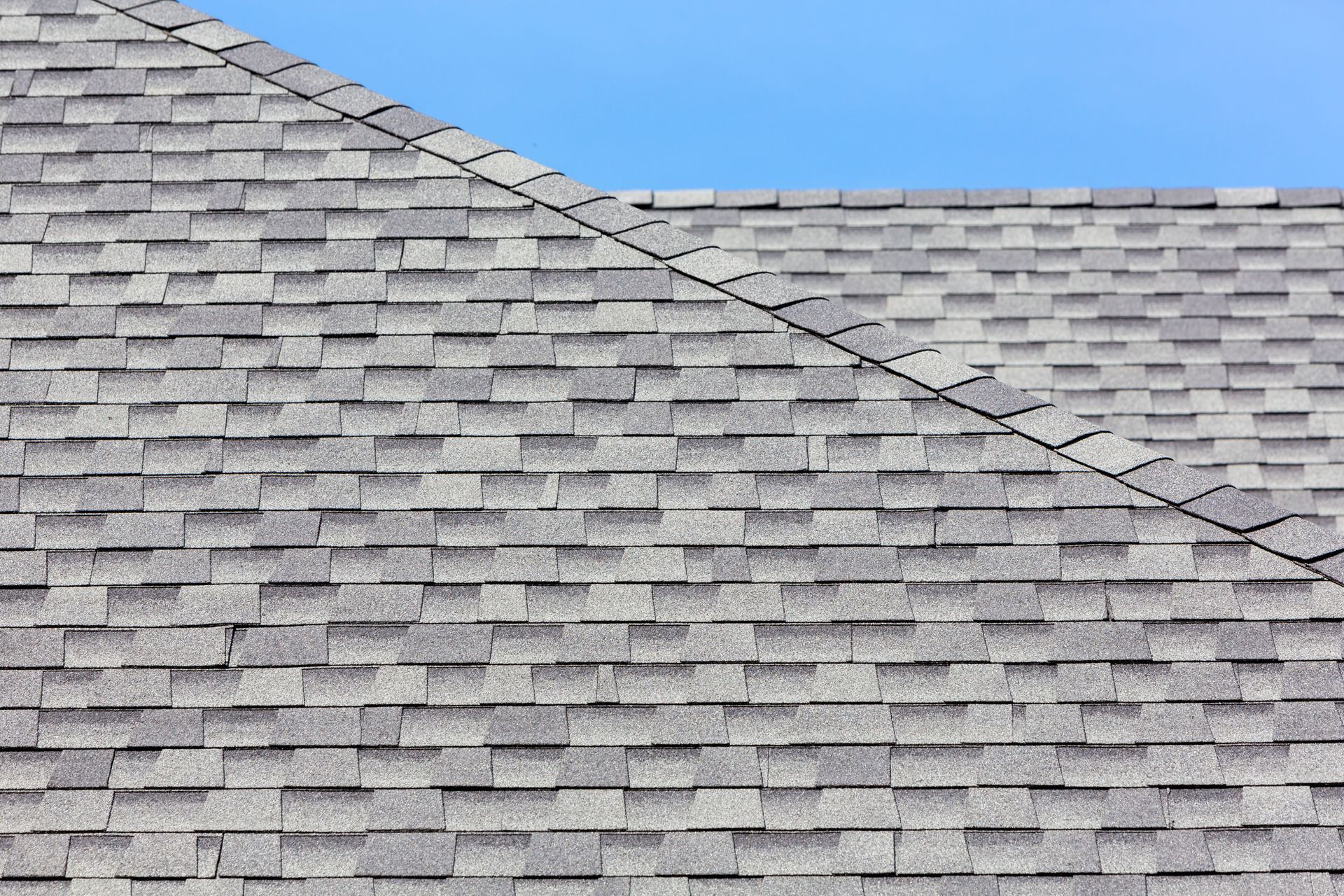
Standard roofing materials undergo significant thermal expansion and contraction as external weather patterns shift throughout the year. When non-ventilated attics trap excessive heat, shingles bake from both top and bottom sides, dramatically shortening their overall operational lifespan. This premature physical degradation leads to curled shingle edges, cracked surfaces, and lost protective granules long before official product warranties expire. Coordinating ventilation upgrades with professional roofing services helps regulate underlying surface temperatures effectively. Stable physical conditions prevent roofing materials from aging prematurely, allowing property owners to maximize their initial financial investment and avoid frequent, unexpected structural replacements.
Ice Dam Mitigation Protects Eaves and Gutters
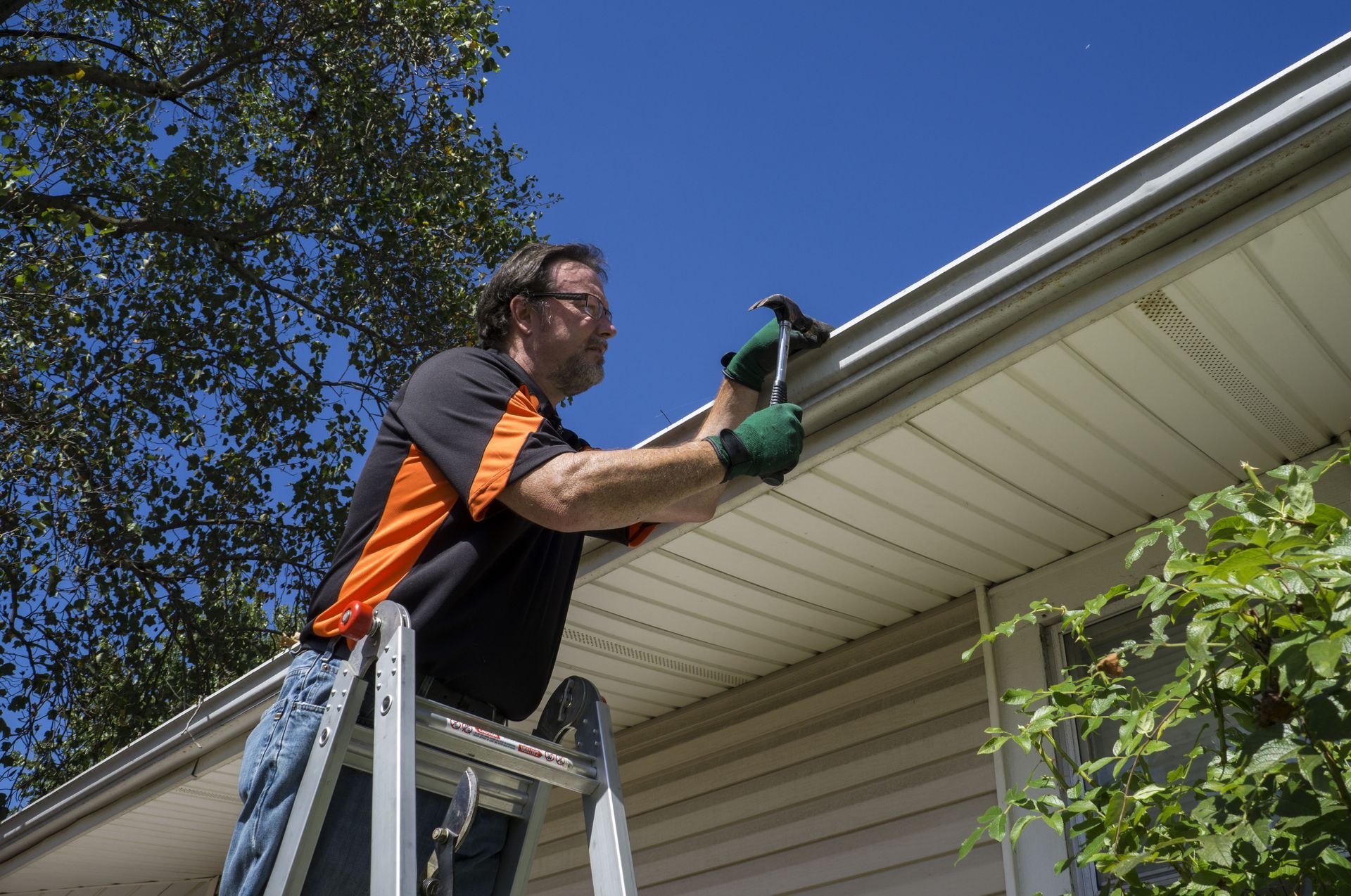
Homes located in colder climates face severe structural risks from ice dams during winter freezing cycles. Heat escaping from attics warms the upper roof deck, melting snow that sits on higher slopes. This melted water runs down toward cold lower eaves, where it refreezes into thick ice ridges that block further drainage. Water quickly backs up behind these ice dams, seeping directly under shingles and into interior ceiling spaces. Establishing uniform attic airflow during standard roofing services keeps roof decks at consistent outdoor temperatures, preventing snowmelt from forming damaging ice dams during freeze cycles.
Attic Insulation Performs Better With Proper Air Movement
Attic insulation relies on tiny trapped air pockets to resist heat transfer between interior living areas and upper roof structures. When poor attic ventilation allows moisture to collect inside, insulation absorbs condensation much like a sponge. Wet insulation loses its natural ability to resist thermal flow, leaving interior living spaces uncomfortably cold in winter and hot in summer. Combining ventilation adjustments with comprehensive roofing services protects attic insulation from lingering dampness. Dry insulation retains its full energy efficiency, helping maintain consistent indoor climate control throughout every changing season of the year.
Building Code Compliance Ensures Legal and Warranty Compliance
Modern residential building regulations mandate specific minimum ratios of intake and exhaust ventilation based on total attic floor space. Roofing shingle manufacturers also strictly require adequate attic ventilation to honor long-term product warranties against defects. If a roof fails prematurely due to excessive attic heat or trapped moisture, non-ventilated spaces can render manufacturer guarantees completely void. Quality roofing services evaluate current vent placement and net free vent area to ensure full compliance with local building codes. Meeting these established standards guarantees that material warranties remain active while protecting property values during future real estate transactions.
Structural Damage Recognition Allows Roofing to Hold Up During Severe Weather
Roofing issues represent a widespread maintenance challenge across residential properties of all ages and architectural styles. According to This Old House, 31% of homeowners have needed roof repair, renovation, or maintenance. Many of these common structural issues stem directly from hidden attic ventilation failures that allowed excess heat and trapped moisture to deteriorate components from underneath. Scheduling comprehensive roofing services allows skilled technicians to correct ventilation imbalances alongside surface repairs. Fixing both surface wear and underlying ventilation flaws ensures that recent repairs hold up against severe weather patterns for decades to come.
Professional Evaluations Identify Hidden Airflow Deficiencies
Accurately identifying inadequate airflow requires thoroughly evaluating intake soffit vents, exhaust ridge vents, static louvers, and overall attic volume. Blocked soffit vents, painted-over grates, or mismatched vent types frequently disrupt natural air circulation patterns without displaying obvious warning signs to homeowners. Comprehensive roofing services include thorough inspections of existing vent pathways to discover hidden airflow bottlenecks. Correcting these underlying structural deficiencies ensures that replacement shingles and underlying wood framing receive continuous protection, preventing repeat damage and maintaining stable indoor temperatures throughout every season of the year.
Proper attic ventilation remains an indispensable element of long-term roof maintenance and overall structural protection. Ensuring continuous airflow prevents moisture accumulation, regulates summer heat, wards off dangerous mold growth, and protects interior insulation from dampness. Neglecting air movement leads to premature shingle breakdown, warped structural timber, high monthly energy bills, and voided manufacturer warranties. Investing in balanced airflow alongside ongoing roof maintenance safeguards your home against unexpected structural damage. To evaluate your attic airflow and schedule comprehensive care for your home, contact Garcia & Son Roofing & Gutters today.