November 24, 2026
Spotting a few curled, cracked, or missing shingles after a strong windstorm often looks like a simple surface problem that only requires swapping out a handful of tabs. Most homeowners look up from the driveway, see one bare patch of felt paper, and assume the wooden roof deck underneath remains completely solid. Water rarely travels straight down through a damaged roof; once rainwater slips beneath a lifted shingle, it creeps sideways along underlayment seams and soaks quietly into plywood decking, rafters, and attic framing. Left unchecked through humid summers and heavy spring rainstorms, trapped moisture turns solid structural lumber into soft, crumbling wood before a single drop ever reaches your living room ceiling.
Experienced roofers know how to trace subtle exterior clues back to hidden moisture pockets long before drywall stains appear on your bedroom ceiling. According to The Spruce, flat roofs have a slight slope of about 1/4 to 1/2 inch per foot, allowing for water drainage. Understanding the exact inspection methods trained roofers use across sloped shingle roofs, valleys, and flat roof transitions shows how early leak detection prevents costly structural rebuilds. Looking closely at how professionals inspect beneath damaged shingles helps property owners make smart, timely repair decisions.
Testing Soft, Spongy Spots Across Roof Decking
Healthy plywood or plank roof decking feels rock-solid underfoot, supporting foot traffic, heavy rain, and winter loads without flexing. When trapped moisture saturates wooden sheathing over months of slow leaks, wood fibers soften and lose their load-bearing strength long before a hole breaks through the surface. Walking carefully across suspect sections reveals subtle spongy bounce that eyes alone cannot see from a ladder. Even minor dips between roof trusses signal that moisture has weakened the wood grain beneath your shingles.
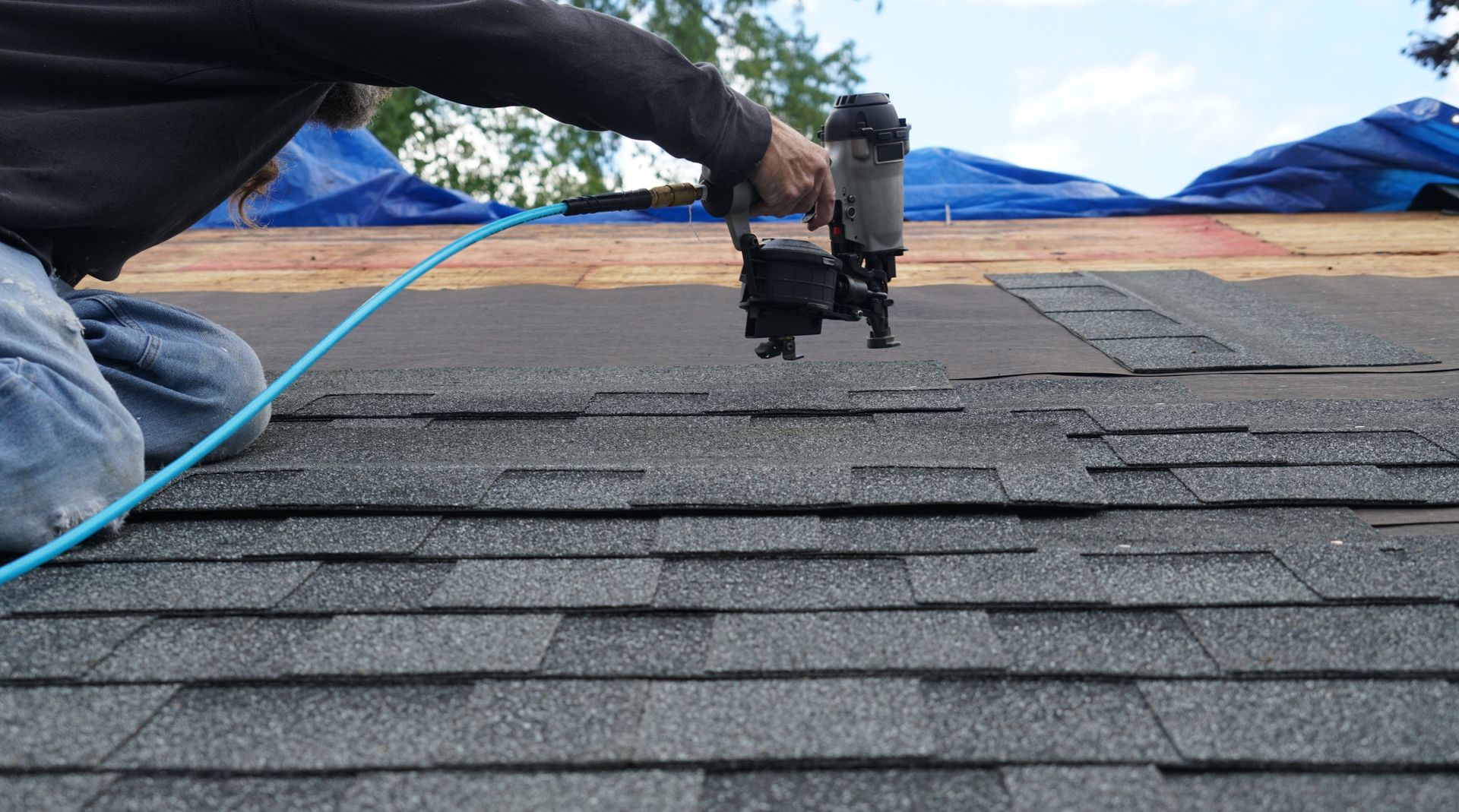
Seasoned roofers test suspect decking zones methodically with gentle foot pressure and probing tools around damaged shingles. Pinpointing softened sheathing early lets crews replace rotted wood sheets cleanly during a targeted roof repair instead of leaving weakened panels hidden beneath new shingles. Installing fresh, solid plywood over sound framing gives new shingles a firm nailing surface that holds tight during severe weather. Catching wood decay early protects both worker safety and your home';s structural frame.
Checking Rusted Nail Heads and Lifted Shingle Tabs
Asphalt shingles rely on galvanized roofing nails driven flush into solid wood decking to stay locked down against high winds. When moisture seeps underneath worn shingles or collects inside poorly ventilated attics, damp wood rusts those steel nail shafts from below. Swollen, corroded nails lose their grip in softened wood and push upward, creating tiny bumps or lifted shingle edges across the roof surface. Once shingle seal strips break loose, wind-driven rain blows directly underneath surrounding rows during every storm.
Detail-oriented roofers lift damaged tabs gently to examine the condition of underlying felt paper, nail shanks, and wooden sheathing. Seeing dark rust rings or loose fasteners confirms that water has penetrated past the outer shingle layer into the deck itself. Replacing compromised fasteners alongside damaged asphalt shingles restores reliable wind resistance. Addressing nail pops early also keeps wind from ripping away larger sections of otherwise healthy shingles.
Inspecting Chimney Flashing, Valleys, and Pipe Boots
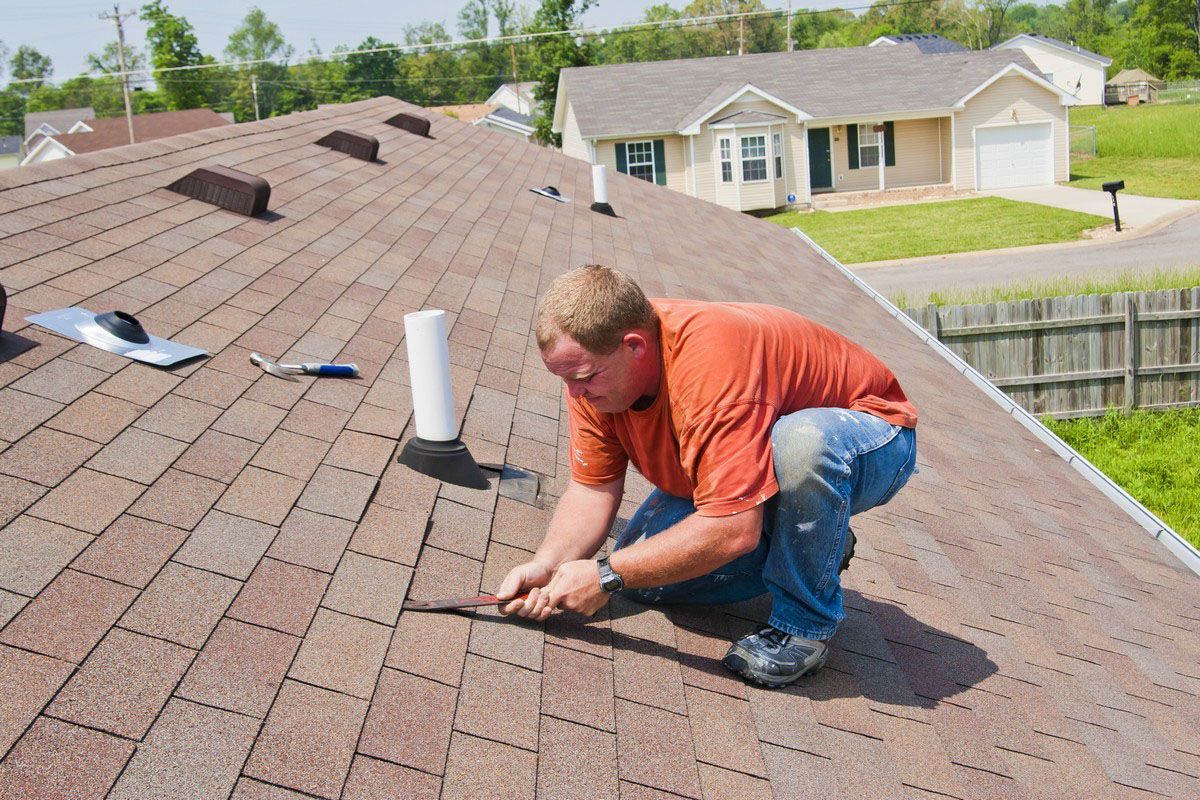
Most hidden structural rot starts right where roof planes meet vertical walls, brick chimneys, plumbing vent pipes, or intersecting roof valleys. Roof valleys carry high volumes of rushing rainwater during heavy storms, while rubber pipe boots and metal chimney flashing expand and contract daily under hot sun. Even a tiny crack in caulking or a separated flashing seam funnels water straight onto bare roof framing. Because flashing sits tucked underneath surrounding shingles, water often rots out corner sheathing long before anyone notices a stain indoors.
Thorough roofers inspect every valley seam, chimney counter-flashing joint, and vent collar closely during diagnostic evaluations. Checking beneath lifted valley shingles often uncovers dark water trails soaking into structural valley rafters even when surrounding field shingles look intact. Repairing failing flashing stops recurring leaks right at their true entry point. Securing tight metal flashing around chimneys and valleys shields the most vulnerable intersections on any residential or commercial roof.
Scanning Attic Rafters and Sheathing from Inside
A complete structural roof inspection never stops at the exterior shingle surface; climbing into the attic with a bright inspection light reveals the underside of the roof deck directly. Water stains, dark fungal streaks, damp fiberglass insulation, and rusted roofing nail tips protruding through the plywood underside provide unmistakable proof of active moisture intrusion. Daylight shining through ridge vents or soffit gaps also shows where framing joints have shifted or deteriorated. Musty attic air and compressed, wet insulation further indicate ongoing moisture buildup overhead.
Knowledgeable roofers pair exterior roof walks with interior attic checks to map the exact path of hidden leaks. Because water often runs several feet down a sloped rafter before dripping onto ceiling drywall, checking inside the attic prevents misdiagnosing where a leak actually starts. Combining interior and exterior diagnostics ensures repairs fix the root cause completely. Inspecting attic airflow at the same time also verifies that warm, moist indoor air is venting out properly instead of condensing under the roof deck.
Measuring Moisture Levels Around Fascia and Gutters
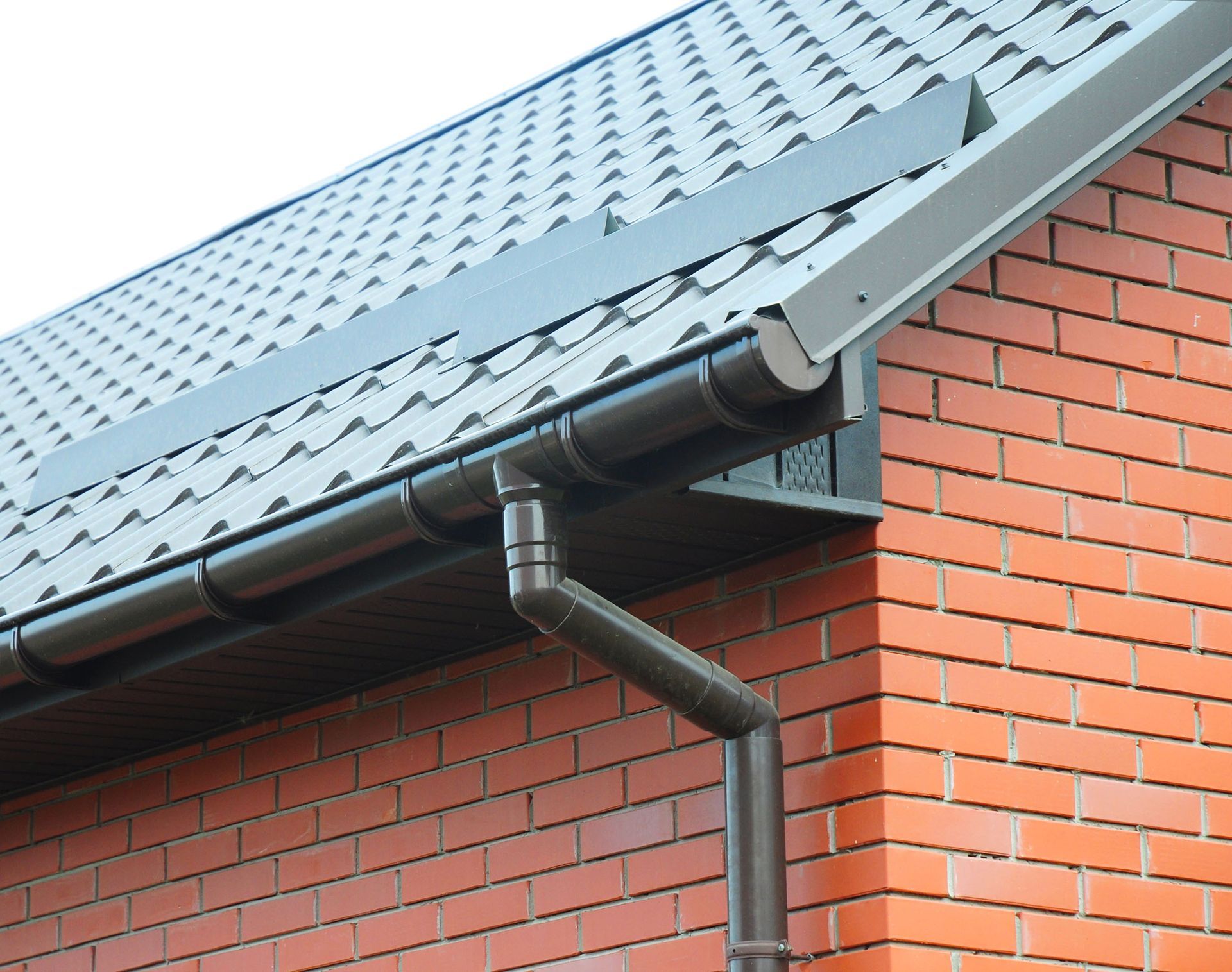
Clogged or improperly pitched gutters force overflowing rainwater back up under the bottom edge of shingles, soaking wooden fascia boards, soffits, and lower roof decking edges. Over time, standing water along the eaves rots out starter strips and weakens the rafter tails that support your gutter system. Sagging gutter spikes or peeling paint along exterior trim frequently point to hidden edge rot behind the metal trough. When water backs up behind a blocked downspout, moisture wicks upward into the first two feet of roof sheathing.
Experienced roofers inspect eaves, drip edges, and seamless gutter lines alongside damaged shingles to protect the entire roof perimeter. Clearing debris, installing durable gutter screens, and replacing rotted fascia boards keep rainwater flowing smoothly away from your roof edge and foundation. Integrated roof and gutter care eliminates standing moisture along vulnerable eaves. Keeping downspouts clear and properly pitched ensures heavy rain drains off your roof quickly without soaking exterior wood trim.
Evaluating Granule Loss and Underlayment Deterioration
Asphalt shingles depend on crushed mineral granules to shield their waterproof asphalt core from harsh ultraviolet sunlight. Hail impacts, heavy storms, and natural aging strip those protective granules away, exposing brittle asphalt that cracks and allows water to soak into the synthetic or felt underlayment below. Once underlayment becomes saturated and wrinkled, moisture sits directly against bare wood decking after every rainstorm. Bald shingle spots often bake rapidly in summer heat, curling upward and opening fresh gaps for rainwater.
Skilled
roofers check gutter troughs for heavy granule buildup and examine exposed underlayment beneath cracked shingles for signs of moisture saturation. Whether your home features architectural asphalt shingles, cedar shake, clay tile, slate, or metal roofing, verifying dry underlayment ensures the structural deck stays shielded from rot. Timely shingle repair preserves the entire protective layering system. Replacing worn underlayment and bare shingles before leaks spread protects your home through years of changing weather.
Damaged shingles rarely tell the full story of what is happening beneath your roof';s outer surface. Working with a family-owned team that performs every inspection and repair directly without subcontractors gives you honest answers and dependable workmanship backed by decades of local experience. Whenever you notice missing shingles, suspect hidden roof moisture, or want a free inspection from trusted Central Arkansas roofers, contact Garcia & Son Roofing & Gutters online today.